• Published on

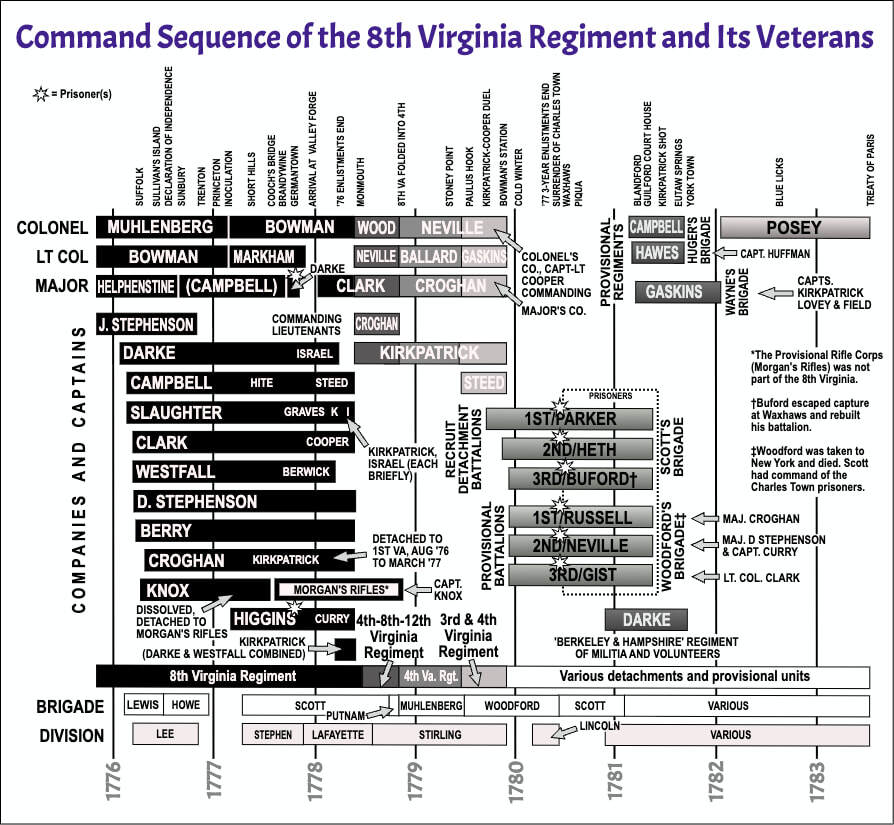
    8th Virginia Command Sequence

    Promotions, rank disputes, and command changes make tracing the careers of individual soldiers, and even whole companies, difficult. This chart illustrates command changes over the 8th Virginia's existence and continues to the end of the war with the inclusion of various late-war units the regiment's veterans served in. This will be useful reference for anyone reading The Last Me Standing: The 8th Virginia Regiment in the American Revolution.
    Picture

    More from The 8th Virginia Regiment

  • Published on

    Dunmore County Prepares for Revolution

    Picture
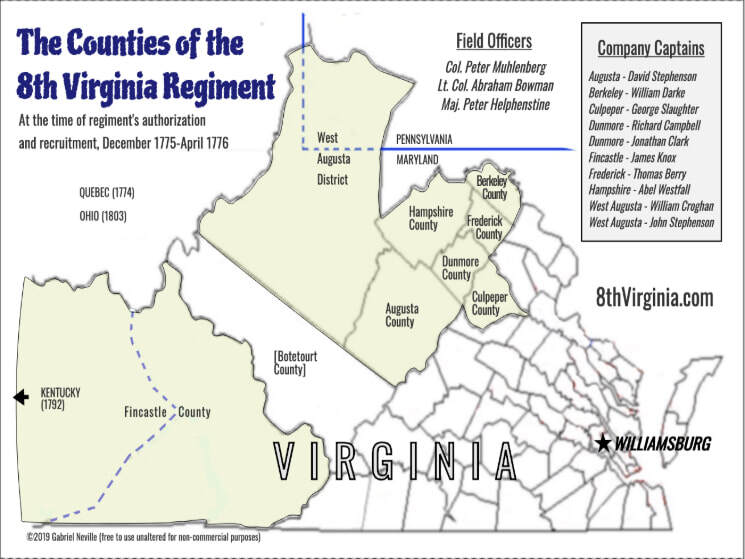
    When Virginia’s legislature voted to declare a day of fasting, humiliation, and prayer to support Boston in 1774, the governor shut it down. This began when unofficial organizations began organizing to enforce boycotts and (later) prepare for war without being outwardly disloyal to the King. With the House of Burgesses dissolved, most members reconvened as (and were reelected to) the “Virginia Convention.” Peter Muhlenberg and Jonathan Clark represented Shenandoah County in the convention. Shenandoah County was then named “Dunmore County,” after John Murray, the Earl of Dunmore (the governor). Muhlenberg, the Pennsylvania- German Anglican priest, and Clark, the deputy county clerk, were elected to the second, third, and fourth Conventions.

    At home, a County Committee was formed to enforce the Virginia Association, an agreement to boycott British goods. In addition to being parish rector and a delegate to the Convention, Muhlenberg was chairman of the committee. Other members of the Dunmore Committee included Francis Slaughter, Abraham Bird, Taverner Beale, John Tipton, and Abraham Bowman. Taverner Beale’s farm, “Mount Airy remains intact two miles south of Mount Jackson.

    As things became more serious, more than 80 young men from Dunmore County formed The First Inde- pendent Company of Dunmore, a volunteer military organization separate from the county militia (technically still under the governor’s control). Taverner Beale was probably captain of the Dunmore Volunteers, with Jonathan Clark as his lieutenant. Abraham Bowman, Richard Campbell, John Steed, Matthias Hite, Leonard Cooper, Philip Huffman, Jacob Parrot, and Clark’s younger brother John also belonged. These men would later be officers in Colonel Muhlenberg’s 8th Virginia Regiment.

    More from The 8th Virginia Regiment

  • Published on

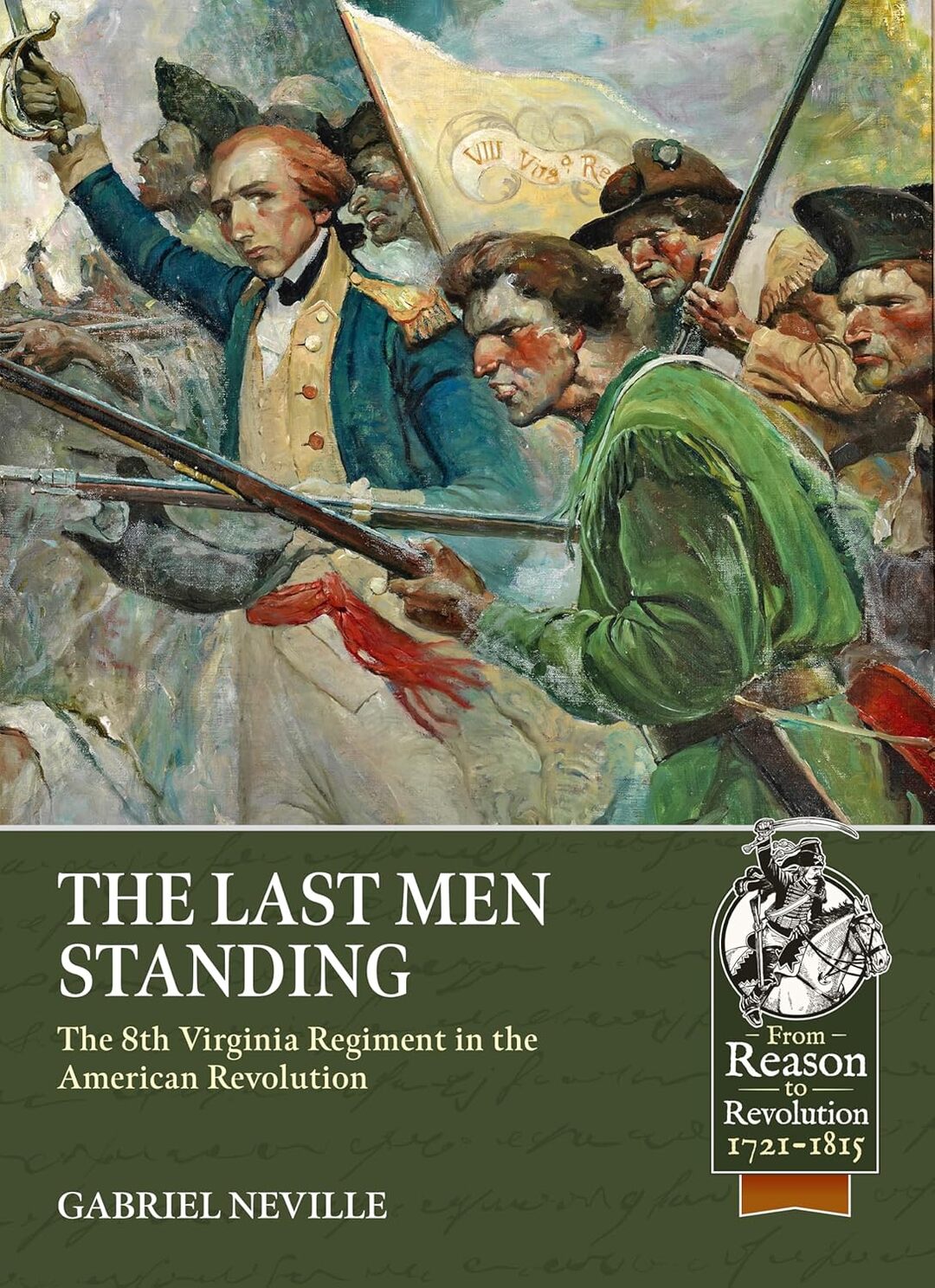
    The Last Men Standing: The 8th Virginia Regiment in the American Revolution.

    Early orders create “buzz,” so consider buying yours now.

    {The final price won't be set until it goes to print and may be lower.}
    After years of research, the complete history of the 8th Virginia Regiment will finally be published this spring. Gabriel Neville’s book The Last Men Standing: The 8th Virginia Regiment in the American Revolution is scheduled for release on May 31. The book will be the first of its kind, focusing on the actual Revolutionary soldiers from their childhoods to their last days on the frontier. Every identifiable man who served in the regiment is listed.
    ​​The 8th Virginia Regiment was unique in the Continental Army, and its story has never been fully told. This is a book that was once thought impossible to write.
    ​The regiment is famous for its first colonel, the “fighting parson,” Peter Muhlenberg. However, there is much more to the story than the well-known story of Muhlenberg’s final sermon. The 8th Virginia was multi-ethnic, and its very existence tied north with south and east with west in a way that contributed meaningfully to national unity. About 800 men signed up to fight early in 1776. By the end of the war, only a few of them remained.
    Their story is different from the usual narrative. They were Western men who cared more about Kentucky and Ohio than the tax on tea. They were the original pioneers, setting cultural precedents that became fixtures in Western movies: fringed shirts, long rifles, migration trails, Conestoga wagons, Indian fighting, dueling, and buffalo hunting. To go west, though, they first had to fight in the east.
    George Bancroft called them "one of the most perfect battalions of the American Army." Major General Charles Lee called them “a most excellent regiment” and chose them first for Continental service “in preference to any other.” Two of its men rose from private to general over the course of their full military careers.
    "I fought in our Revolutionary War for liberty."
    —Sgt. John Vance
    The Virginia Convention initially intended the 8th Virginia to be a "German Regiment." It raised several companies in the Shenandoah Valley, where thousands of Germans had migrated along the Great Wagon Road from Pennsylvania. Thousands of Scotch-Irish immigrants had come the same way, and they enlisted in equal measure. One 8th Virginia man, Sergeant John Vance, declared, "I fought in our Revolutionary War for liberty."

    ​Frequently divided and detached, the regiment’s men served almost everywhere: Charleston, White Plains, Trenton, Princeton, Short Hills, Cooch's Bridge, Brandywine, Saratoga, Germantown, Valley Forge, and Monmouth.  They suffered, and many died from frostbite, malaria, smallpox, malnourishment, musket balls, bayonets, and cruel imprisonment. Their numbers dwindled until only a few remained to help corner Charles Cornwallis at Yorktown. Victorious, those who survived turned west to build the America we know.
     
    The Last Men Standing includes over a hundred color and black-and-white illustrations, twenty maps, and an appendix listing every identifiable man who served. It will be published by Helion & Company and is now available for pre-order. It is available at Amazon and other retailers, or from The Fort Plain Museum at a generous discount.
    "...one of the most perfect battalions of the American Army."
    —George Bancroft
  • Published on

    The Birth of the Longrifle: Martin Meylin's Gun Shop

    Picture

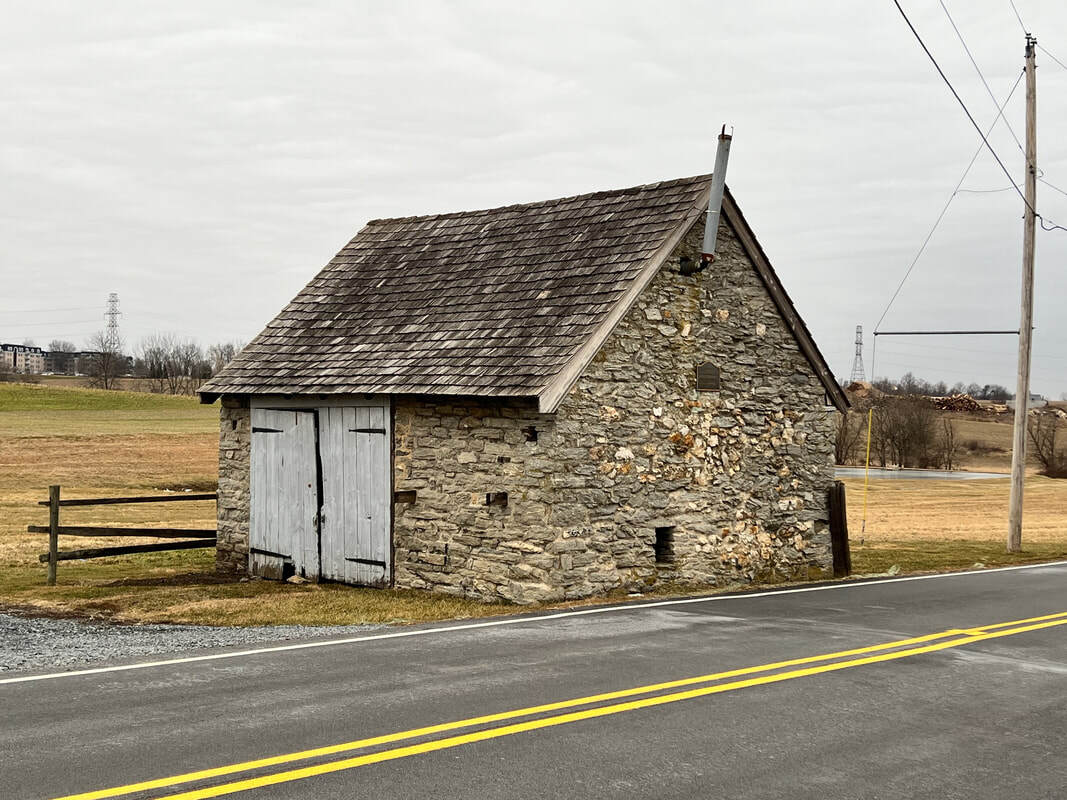
    Meylin's gun shop in West Lampeter, Lancaster County, was built about 1718.

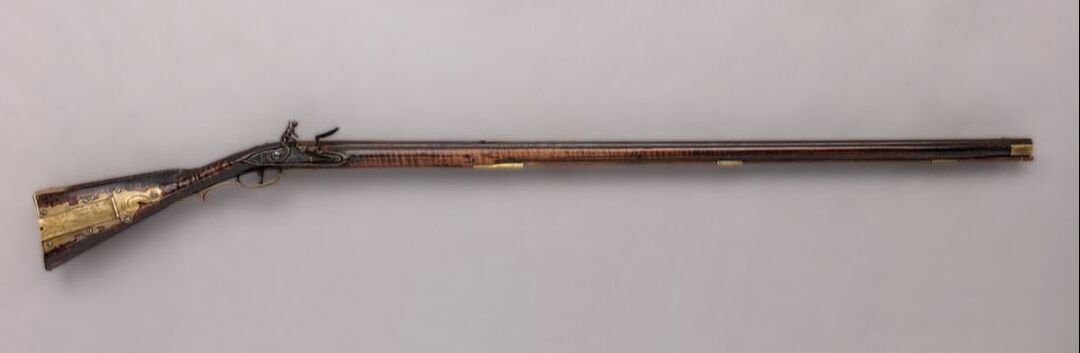
    All or nearly all the 15 infantry regiments raised by the Old Dominion in 1775, 1776, and 1777 had two or more companies of riflemen. Their weapon is sometimes called the “Kentucky Rifle,” but because the long-barreled design originated in Pennsylvania, "Pennsylvania Rifle" is the better term. The Metropolitan Museum of Art in New York diplomatically calls it the "American Longrifle." It asserts in a display that the weapon was “the first distinctly American art form created by European settlers in North America.” Many of the guns are indeed works of art.
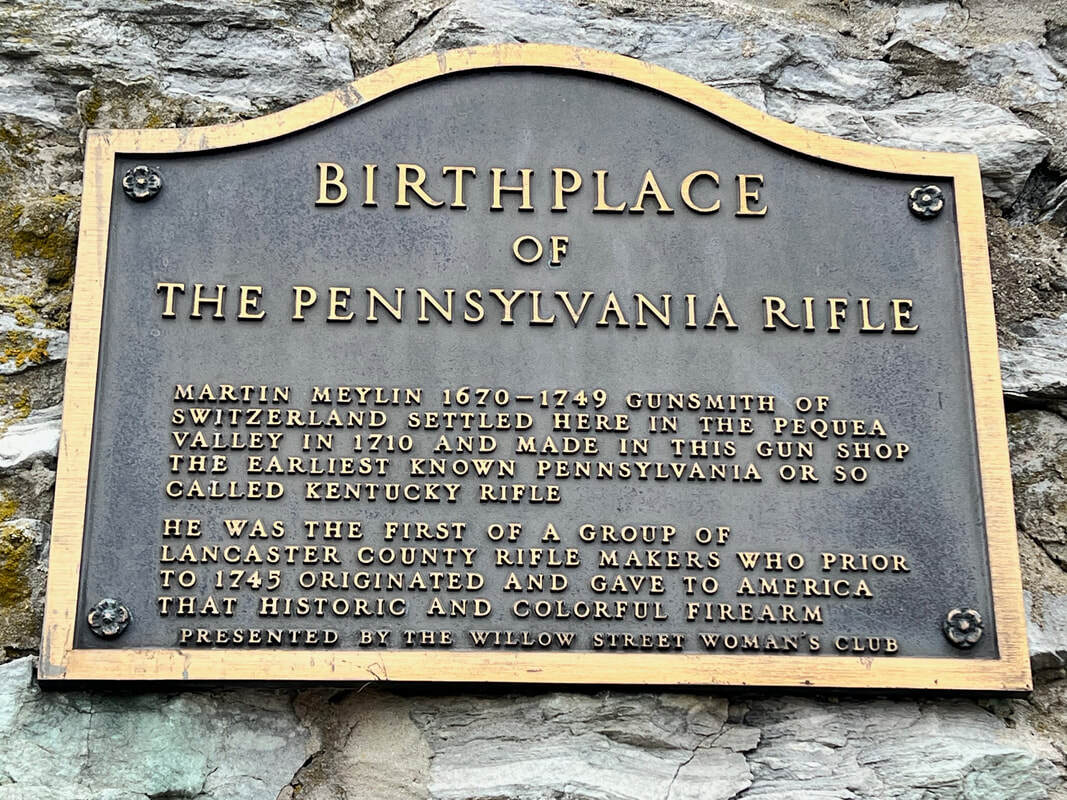
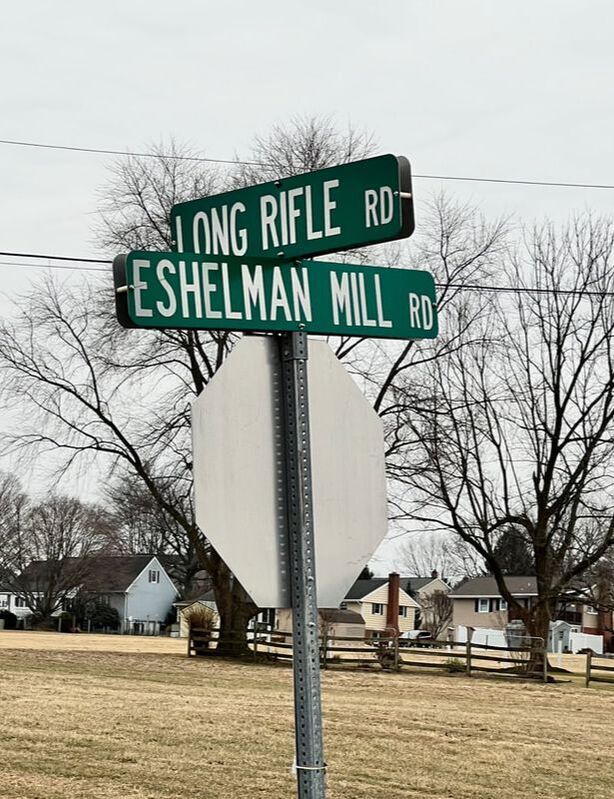
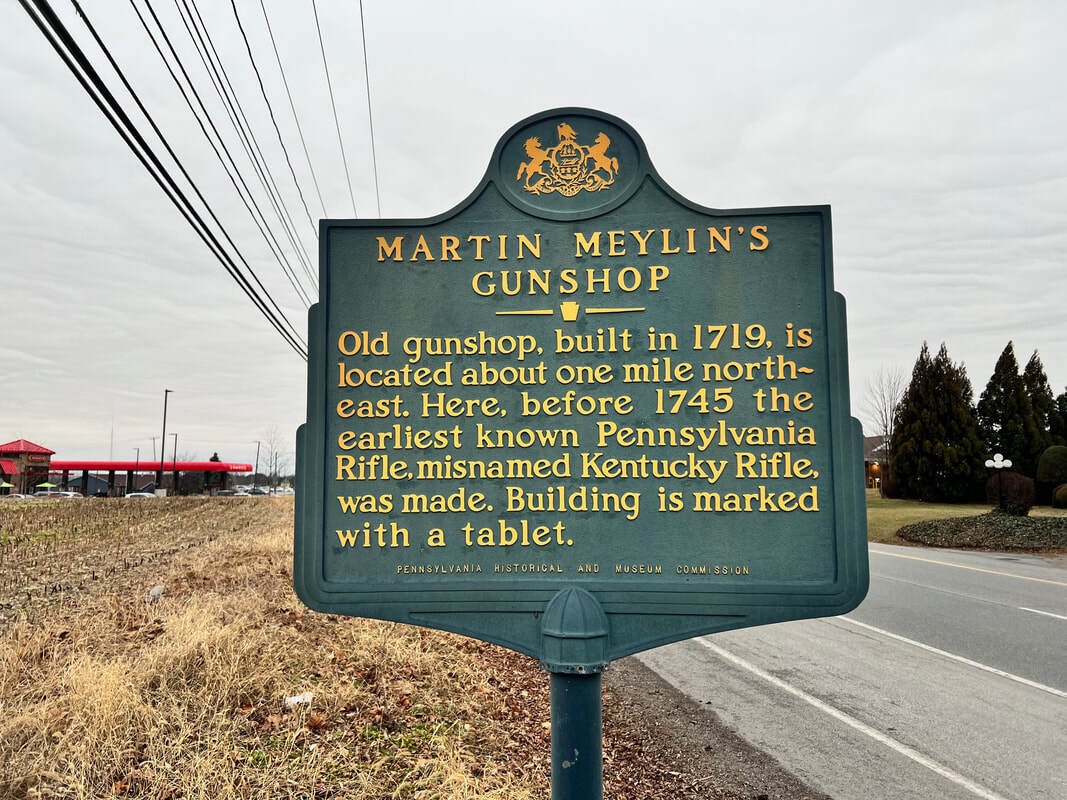
    Tradition, supported but not proved by documentary evidence, holds that Martin Meylin of Lancaster County, Pennsylvania, made the first longrifle. He was an immigrant from Switzerland and may have produced an early version of his design in Germantown, Pennsylvania, in 1705 before he built his gun shop or “boring mill” in West Lampeter Township in 1719. An 1844 history records matter-of-factly that Meylin was “the first gun-smith within the limits of Lancaster County; as early as 1719, he erected a boring-mill, on what is known as Meylin’s run.” The building still stands at the intersection of Eshelman Mill Road and Long Rifle Road. There is no archeological evidence to prove or disprove that rifles were made there, and skeptics suspect the site was merely a blacksmith shop. However, two early rifles with “MM” engraved by their maker seem to show, but again do not prove, that Meylin was the earliest creator of the familiar firearm. Even if entirely true, “inventor” might be too strong of a term for him. The longrifle evolved from German hunting guns, which made a separate leap over the Atlantic in 1776 in the hands of Hessian and Anspacher Jägers. The primary innovation was the long barrel, which made the weapons very accurate.
    Picture

    An ornate Pennsylvania rifle probably made by George Schreyer Sr. (1739–1819) in York County, Pennsylvania ca. 1770. (Metropolitan Museum of Art)

    Though historians debate Meylin’s role, Lancaster County’s central place in the development of the longrifle is undisputed. It was the earliest and most prominent center of rifle production in colonial times. Adjacent York, Berks, and Lebanon counties also had many gunsmiths, and the craft followed settlement on the western and southern path on the Great Philadelphia Wagon Road. By the time of the Revolution, craftsmen made rifles in Shepherdstown, Winchester, Staunton, and other Shenandoah Valley towns. The unique styles of different counties and different artisans can still be discerned by knowledgeable observers. Rifles were essential on the frontier for self-defense, subsistence hunting, and for hunting expeditions supporting the robust transatlantic deerskin trade. By the 1770s, western men in Virginia, Maryland, and Pennsylvania had an established reputation for expert marksmanship.
    Pennsylvania rifles were used infrequently in the French and Indian War. They demonstrated their military value in Lord Dunmore’s War, the last colonial Indian war, fought in 1774. Virginia’s western militia bested a large Indian army on the banks of the Ohio River in a battle that only barely resembled European tactics. When the Revolution broke out, Virginia’s first contribution to the Continental Army was two companies of riflemen from Berkeley and Frederick counties, led by Hugh Stephenson and Daniel Morgan. When the Old Dominion began to form its own full-time regiments, it incorporated rifle companies in a way that mimicked British use of grenadier and light infantry companies. The rifle companies were recruited in the western counties to “act as light infantry” alongside musket companies from the east side of the Blue Ridge. ​
    Picture

    Like the nearby state historical marker, a plaque on the building is prickly about the "so-called Kentucky Rifle." The longrifle was developed in Pennsylvania two or three decades before the earliest white settlement of Kentucky.

    Virginia’s regiments of “regulars” (full-time troops) began as provincial (or “state” after July 4, 1776) before joining the Continental Army. The 1st and 2nd regiments were created with two rifle companies each. The 3rd, 4th, 5th, 6th, and 7th each had three. The 9th, originally formed for service on Virginia’s eastern shore, had two. Virginia does not seem to have specifically ordered rifle companies for the six newest regiments, but the 11th, 12th, and 13th certainly included riflemen, and the 10th, 14th, and 15th may have as well. Uniquely, the 8th Virginia was raised entirely in the west and carried only rifles.
    Picture
    It took some time for American commanders to learn how to effectively incorporate rifles into their tactical playbooks. Slow-loading and unable to hold bayonets, they were suited only for skirmishing and harassing from a distance. In close combat they became little more than unwieldy clubs after firing one round. This was tragically illustrated in the opening minutes of the Battle of Princeton. In addition to the 1775 independent companies, Moses Rawlings, Abraham Kirkpatrick, and William Darke, led effective early rifle units in different capacities. Peter Muhlenberg, Colonel of the 8th Virginia, grew frustrated with the high-maintenance weapons and asked that his men be issued muskets. Daniel Morgan, on the other hand, paired himself with Henry Dearborn’s musket-carrying light infantry to form a very effective combined-arms force during the Saratoga campaign.
    Rifles played an important role in the Revolution and the conflicts that followed. They were centrally important in Andrew Jackson’s lopsided 1815 victory at the Battle of New Orleans. Many rifles for military use were churned out by gun shops with little ornamentation, but the best ones were custom-made personal possessions that were often highly ornate.
    Today, 18th century long rifles are high-prized collectors’ items. Notable collections can be viewed at the Metropolitan Museum of Art in New York, the Landis Valley Museum in Pennsylvania, and the Museum of Southern Decorative Arts in North Carolina. Like much that is important in early American history, the longrifle’s story began in Lancaster County, perhaps in Martin Meylin’s gun shop.
    Picture

    More from The 8th Virginia Regiment

  • Published on

    Riding to the Rescue

    Picture

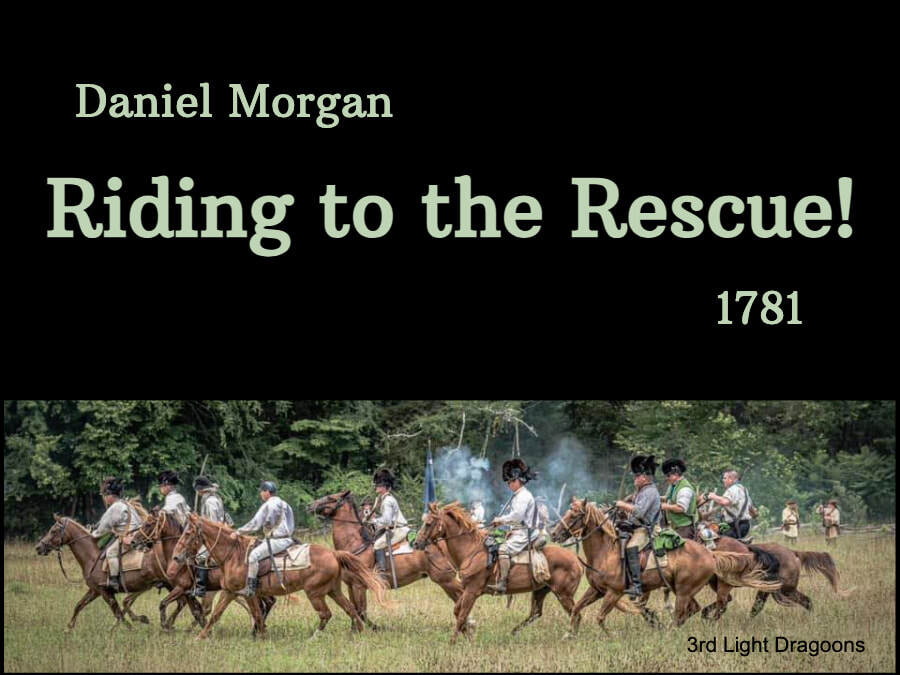
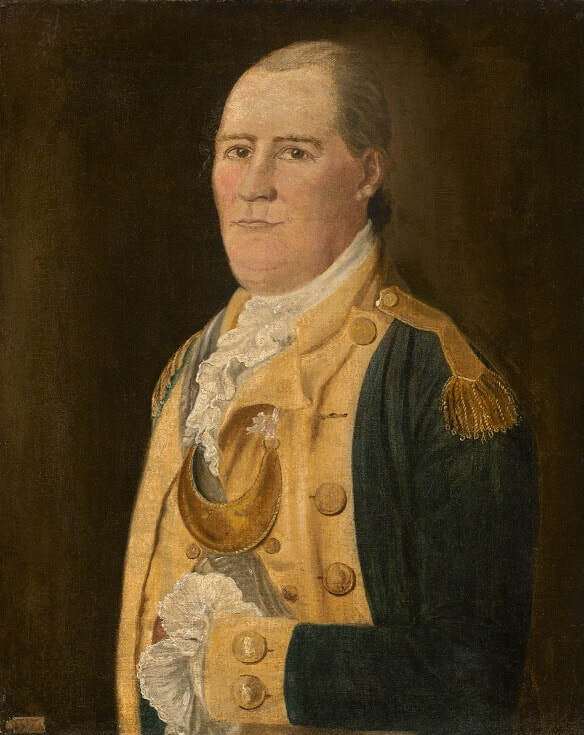
    Daniel Morgan commanded men detached from the 8th Virginia during the 1777 Saratoga campaign. He was from Frederick County, which also produced Capt. Thomas Berry's Company. Though in bad physical condition, he came out of retirement to respond to the British invasion of Virginia in 1781.

    When General Cornwallis invaded Virginia in 1781, many of the Old Dominion's best men had already done their part. Daniel Morgan, the Continental Army's best tactician, had a damaged spine and what were then called "piles," both of which made it painful to ride a horse. Eighth Virginia veteran Lt. Col. William Darke had just been exchanged after three years as a prisoner of war. Drafting soldiers had grown difficult and getting men to volunteer nearly impossible.

    ​But when Richmond was burned and Banastre Tarlton's British Legion followed the legislature and Governor Jefferson all the way to Charlottesville, it was clearly time for extraordinary measures. The House of Delegates asked Jefferson to "call for the immediate assistance of Brigadier General Morgan to take command of such Volunteers, Militia, and others as he may be able to speedily embody." Jefferson wrote to the general on June 2nd: "I sincerely wish your health may be so far reestablished as to permit you to take the field." He sent along enough blank commissions for three battalions.
    Morgan accepted to assignment and set about trying to raise three troops of light cavalry. He appointed a trio of men to lead and recruit, and sent letters himself urging local leaders to help. He wrote to Taverner Beale, a former 8th Virginia officer and now a local official in Shenandoah County. "Colo. Triplett I have appointed to raise a Brigade below the Ridge in Fauquier and Loudon," he wrote, " Colo. Darke in Berkeley and Hampshire, Colo Smith in Frederick and Shendooe, will you undertake to raise what men you can in your County and join Colo. Smith[?] The matter is just this, if we do not make head and oppose the enemy they will destroy us."
    As hard as the officers tried, they had to compete with the wheat harvest, which was just gearing up. Wheat was the primary crop of the Shenandoah Valley, and neglecting the harvest might cost a man most of a year's income. Morgan decided to "call on the best aid I could possibly get," and convened a meeting of the lower Valley's "Gentlemen who I esteem of most influence" to figure out what to do. William Darke, Charles Myn Thruston, Horatio Gates, the county lieutenants (militia commanders), and others met on June 15. They wrote to the General Assembly recommending a "decisive measure" for beefing up enlistment. The legislature acted quickly to create a militia law with teeth. Going forward, anyone who failed to appear for a two-month militia tour would be put into the Continental Army for six months. Penalties were set for local officials who failed to try and punish deserters. The death penalty was applied to deserters who left with public property. 

    ​​There was no way Morgan was going to raise the corps of 2,000 volunteers Jefferson and the legislature had hoped for. But the draft law worked, and Darke (despite his Continental commission) commanded militia through the surrender at Yorktown in October.
    Picture

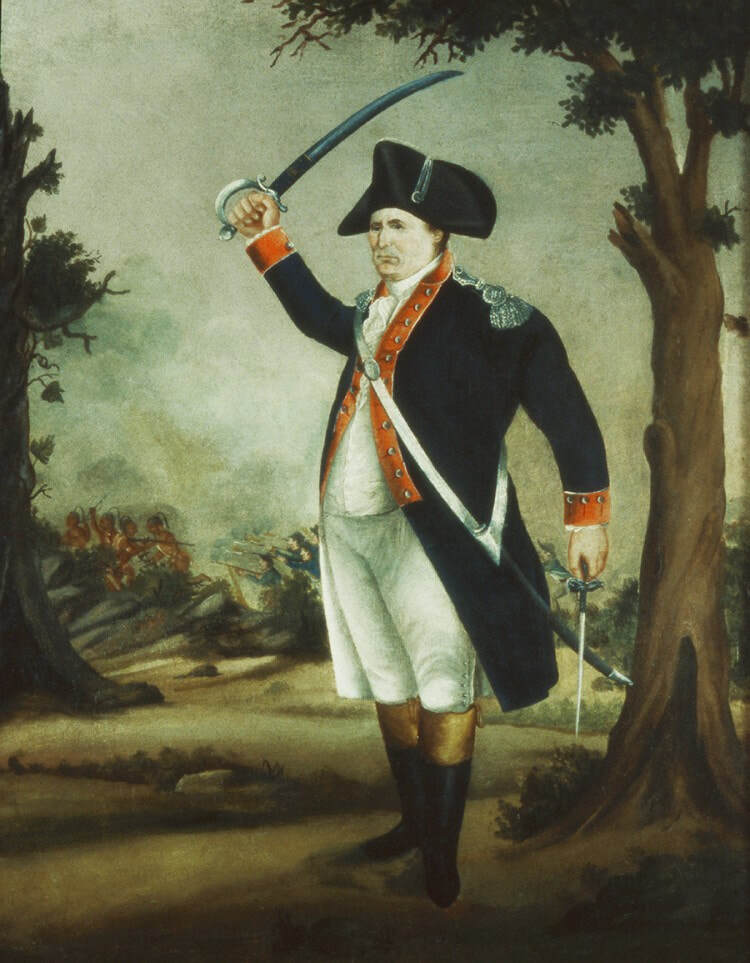
    William Darke was a lot like Morgan in temperament and character. Long before the war, they were both part of a group of young men that engaged in fist fights or wrestling matches at the "Battle Town Tavern," where Berryville is now. Both men rose from rough beginnings to a status they were never fully comfortable with.

    Below is a letter written by General Morgan on June 26th to Virginia's new governor, Thomas Nelson. Nelson had just written him urging him to hurry up. The original is in the collection of Haverford College. It is transcribed without alteration but annotated at the end of each paragraph in italic text.

    Daniel Morgan to Thomas Nelson, June 26, 1781

    Sir,

    ​I recd the letter you did me the honor to write me by Colo Rootes and in compliance therewith shall March with what Volunteers I have in a day or two. I flatter my self you, Sir, will not think my time has been mispent, when I asure You I have been exerting every nerve to get Men into the field who would be of service when there. ◊ "Colo Rootes" may be George Rootes, who represented Frederick County in the First Virginia Convention in 1776. Nelson succeeded Jefferson as governor on June 12th. He wrote to Morgan from Staunton (where the state government had retreated).
     
    You, Sir, are well acquainted with the Enemy’s superiority in Cavalry and the absolute necesity there is for as many horse as We can mount; this has induced me to endeavour to raise three troops mounted on the best horses these Counties can produce; such a reasonable supply will be of the utmost consequence, and their remaining three months will give time for a more permanent establishing of Dragoons, the part of an army not to be dispensed with; to attain this desirable purpose, my self with a number of other Gentlemen, have engaged our selves to some people in Frederick Town in Maryland, for such accoutrements as could be hastily furnished, for payment whereof, we make no doubt, provision will be made, when the accounts are rendered; such necessaries are allways greatly wanted, and when the volunteers times have expired, they will remain to equip future Dragoons; The horses will be an acquisition, the Country will find very beneficial. ◊ This appears to be the point of contention between Morgan and the governor. Morgan had invested time and effort into raising cavalry, but Nelson wanted men of any sort to come as soon as possible.
     
    You can’t conceive how reluctantly the people leave their homes at this season of the year, and it was the general opinion if I left the Country before they were imbodied, they would not be prevailed upon to March; small parties have been pushed on and a few days, will produce the wished for march of the whole. ◊ Wheat, grown as what is now sometimes called "winter wheat," was planted in the fall and harvested in June and July. After Saratoga and especially Cowpens, Morgan was a hero. The legislature was counting on his reputation and charisma to inspire men to enlist.
     
    Give me leave to press the forming magazines at the places mentioned in my last, from whence the army may be supplyd without delay: and I am of opinion too many workmen can not be imployd in making and repairing warlike instruments—many hands may be set at work in this part of the Country. For want of storehouses we are obliged to pick up provisions in such quantities as it can be found, this frequently subjects us to scantiness and is very disgusting to the people, both which, I humbly apprehend, may be obviated by the recommended magazines. I shall immediately march my voluntiers and what Militia are ready, the remainder will follow with the greatest dispatch. ◊ Morgan is being argumentative here. In the close of Nelson's June 20 letter to Morgan, he explicitly said they had no time for devising complex supply schemes, but indicated they might turn to Morgan's ideas later.
     
    Had I known my presence in the Army was so immediately expected, I would have joined it on the earliest notice, but I had gone too far in the Voluntier s[c]heme to recede; it was and still is my opinion they will be extremly usefull—many of the officers I have appointed, have seen service, and the rest, Gentlemen who may be depended on.
     
    However sanguine some Gentlemen may be in a hasty gathering of the Militia, You, Sir, who have seen service know, so well an appointed Army as the Brittish, Commanded by so experienced an officer as Lord Cornwallis, is not to be beaten but by well furnished troops, especialy with proper arms and well equipped horse. Could I have properly completed my Volunteer corps of two thousand, I flatter my self we should have done honor to our selves, and distinguished services to our Country. ◊ Morgan is apparently inoculating himself from blame, implying that if his recruits did not perform well, insufficient time to recruit, equip, and train them would be the cause. Morgan joined General Lafayette with the men he was able to raise on July 7th, the day after the Battle of Green Spring. He was unable to continue more than a few days and returned home.
     
    I have the honor to be
    Sir
    Your most obedt hum Servt
     
    26th June 1781
     
    Danl Morgan
    Picture
    Picture

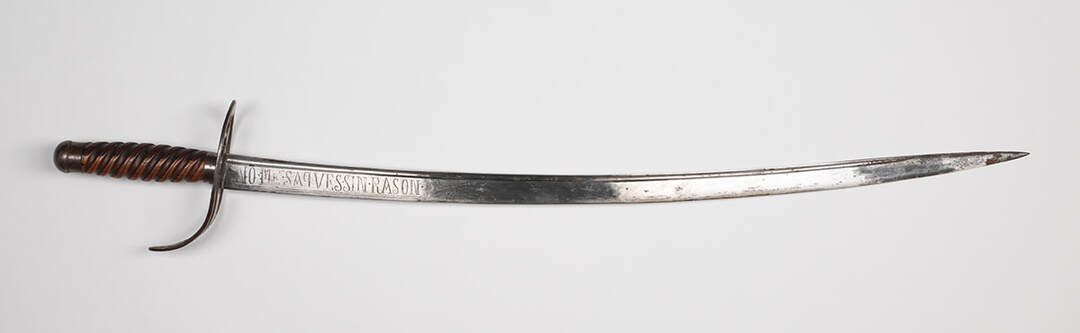
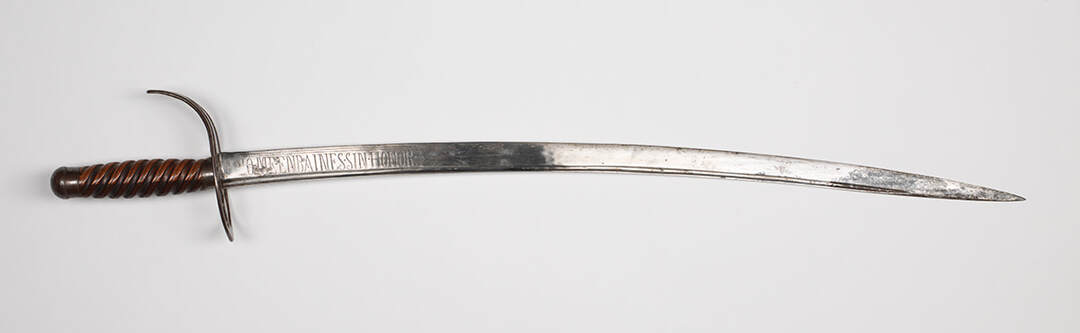
    Gen. Daniel Morgan’s sword, made about 1776, has Spanish inscriptions that translate to “Draw me not without reason” on one side and “Sheath me not without honor” on the other. (VMHC)

    More from The 8th Virginia Regiment

  • Published on

    A New Stone For An Old Soldier

    Picture
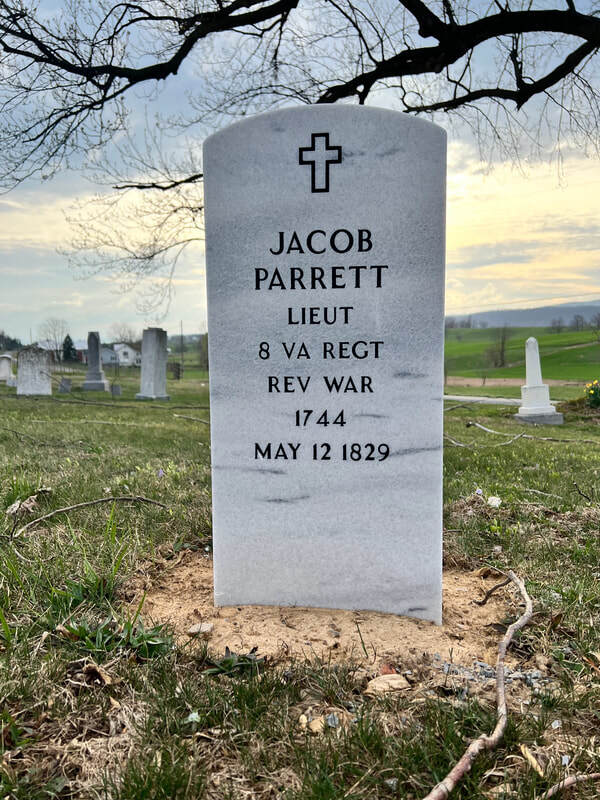
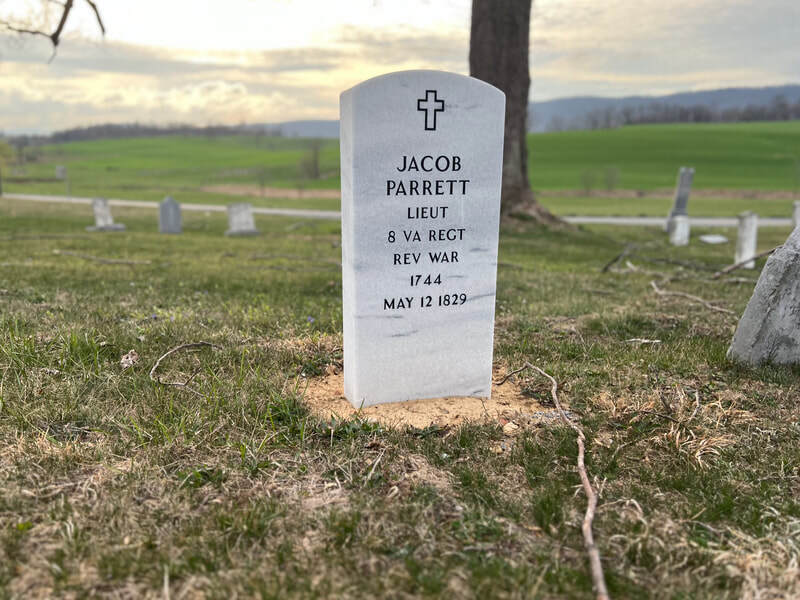
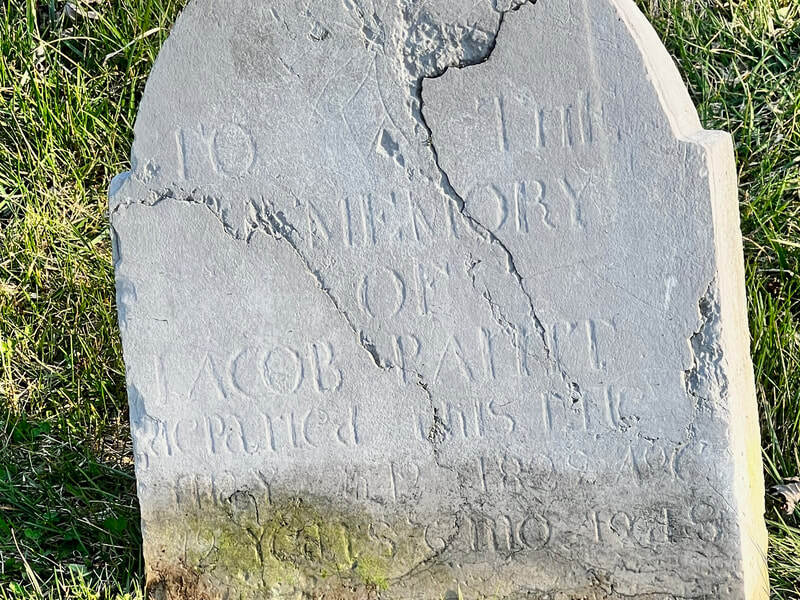
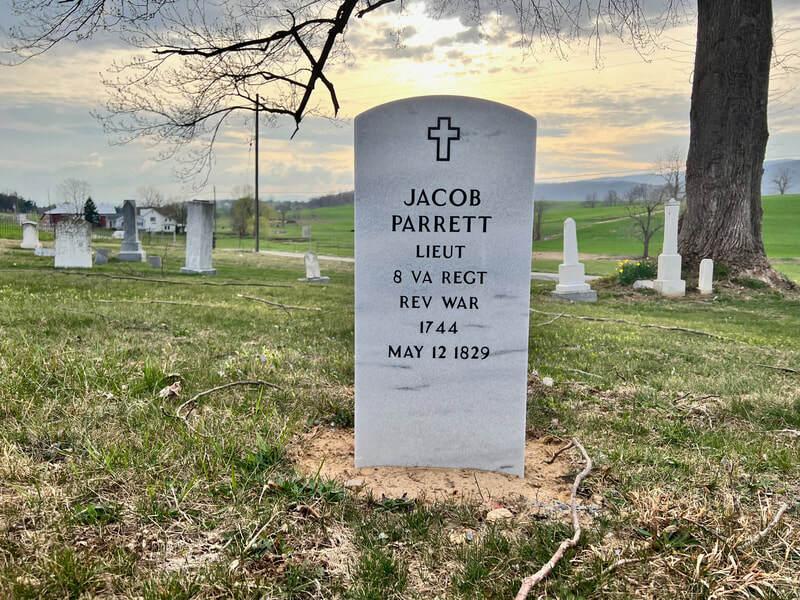
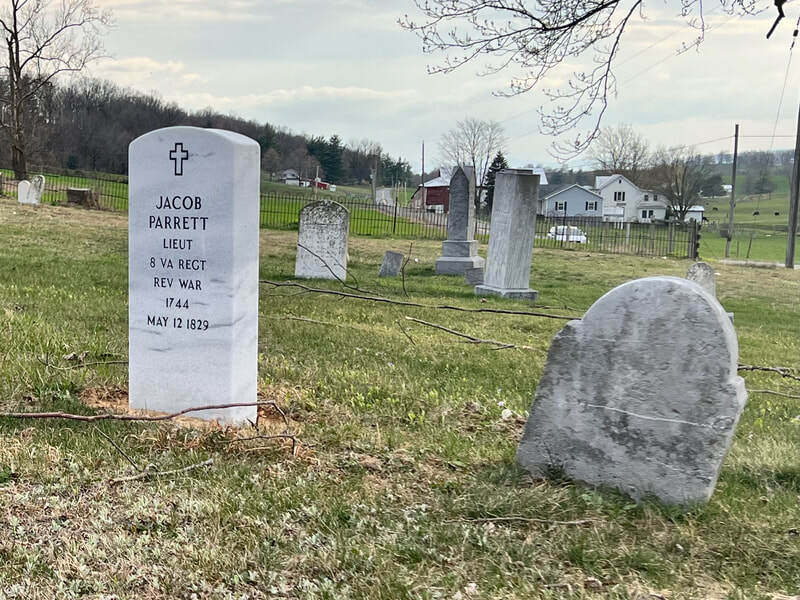
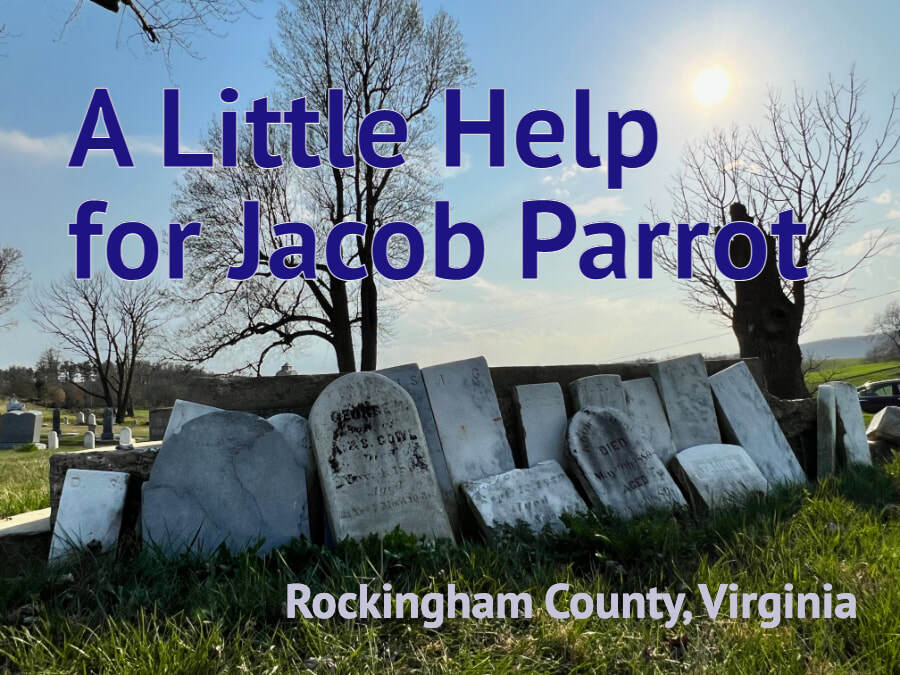
    ​Jacob Parrett got some help. A year ago, I wrote a post titled “A Little Help for Lt. Jacob Parrot” lamenting the state of his grave site near Harrisonburg, Virginia. The 8th Virginia officer, whose name was spelled various ways, was one of several Swiss-descended soldiers from the Shenandoah Valley. He and his wife are buried next to each other in a rural Lutheran cemetery with matching hand-etched fieldstone markers. Hers is intact, but Jacob’s was broken at the base and seemingly lost for some time. The marker is not lost, but it did need to be repaired or replaced. Indirect descendant Pat Kelly took the initiative. A new Department of Veterans Affairs stone now marks the grave, standing upright where the old stone was positioned for two centuries. Thanks, Pat! Thanks also to Hartman Memorials.

    To learn more about Lieutenant Parrett, make sure to read the post from last year.

    More from The 8th Virginia Regiment