• Published on

    Lost & Found: James Kay and Thomas Berry

    Picture

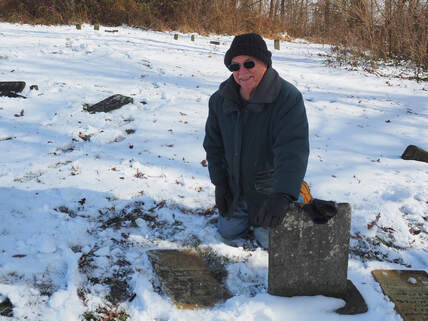
    Dave Gilbert of the Simon Kenton Chapter, Kentucky SAR, after he and Stuart Martin found Private Kay's headstone lying flat under the snow. (Stuart Martin)

    The grave stones of Revolutionary War veterans are remarkable things. Many of them are the last tangible vestiges of men who played a role not only in creating the United States but also in proving that governments dedicated to freedom and republican government can last. Sadly, many of them are long gone, and with them the last physical connection with the men who lie beneath them. In Boone County, Kentucky, Dave Gilbert and Stuart Martin are doing what they can to preserve or replace the markers that remain.
    James Kay enlisted in the 8th Virginia on February 20, 1776. This was four days after someone named John Kay enlisted in the same company. Recruiting and enlisting were family and community affairs in those days. John may have enlisted and then talked James into joining him. John was promoted to sergeant and then became an officer, so he was almost certainly older—probably James’s brother, but maybe his father, an uncle, or a cousin. James was only seventeen.
    They enlisted in Capt. Thomas Berry’s Frederick County company. Surprisingly, however, James attested later that he enlisted in King George County. Yes, it is ironic that a rebel soldier lived in “King George” county, but the county was named after King George I, who ruled from 1714 to 1727, not his great-grandson, George III. That, however, is not why the enlistment is surprising. Captain Berry, Lt. John Jolliffe, and two other officers were appointed by the local committee of safety to raise  their company in Frederick County, which surrounds the town of Winchester. Kay lived almost a hundred miles away. Frederick County sits west of the Blue Ridge in the lower (northern) Shenandoah Valley. King George County sits in the Virginia Tidewater between the Rappahannock and Potomac rivers east of Fredericksburg. They are a long distance apart, especially by horse. Like all historical oddities, however, there is an interesting explanation.
    Picture

    Private Kay's original headstone. Kay was wounded at the Battle of Brandywine. (Stuart Martin)

    Captain Berry grew up in King George, at the family plantation known as Berry Plain. Like so many others, his great grandfather had come to Virginia in 1650 as an indentured servant. From that humble start, the family did well. Berry Plain was built about 1720. Thomas and his older brother Benjamin moved to Frederick County sometime before the war and settled near Battletown, the tavern village famous for street brawls sometimes featuring future general Daniel Morgan. Berry Plain is still standing, has been restored, and was up for sale in 2007. (Some of the plantation’s valuable and ancient boxwoods were sold to Colonial Williamsburg in the 1930s, providing much needed funds to “save the farm.”)  Battletown, meanwhile, is now known as Berryville and is the county seat of Clarke County (created in 1836).  ​​Benjamin is recognized at the town's founder.

    ​When Berry and Jolliffe were appointed by the Frederick County Committee of Safety, they had recruiting quotas to fill. It appears that Berry's ties to King George County were still so strong that he made a trip home to recruit among his old friends and neighbors. That, at any rate, would explain Kay’s enlistment. Berry’s company was assigned to the 8th Virginia Regiment, which was brought south into the Carolinas in the spring of 1776. Berry and Kay were present in Charleston for the Battle of Sullivan’s Island, though most 8th Virginia men were not in combat. We know Private Kay was at Sunbury, Georgia that summer when many of his comrades succumbed to malaria. Having grown up near the Chesapeake, he may have had some resistance to the mosquito-borne disease. The soldiers were given furloughs after returning to Virginia that winter and then marched to Philadelphia where they were inoculated for smallpox. Lieutenant Jolliffe was quarantined with smallpox that spring in Winchester, either naturally contracted or from inoculation, and died from it.)
    Picture

    Berry Plain, built when Thomas Berry's grandfather was still alive about 1720, still stands in King George County near the Rappahannock River. This was Captain Berry's childhood home. Though now surrounded by development, it has been nicely restored and retains many of its centuries-old boxwoods.

    In September 1777, Kay saw his first serious combat at the Battle of Brandywine. He was “badly” wounded in his right hand. A musket ball seems most likely. The wound was serious enough that Brig. Gen. Charles Scott gave him a furlough to go home and recover. He returned to Battletown and spent the winter there while the rest of the regiment went into winter camp at Valley Forge. Kay's hand healed, but he was partially disabled for the rest of his life. His colonel, Abraham Bowman, also went home (to Strasburg) on furlough. “Soon after he was so recovered as to return to his company,” Kay's pension application says, “his two years expired & he was discharged in Virginia by Col. Abraham Bowman which was in the spring of the year 1778.”
    After the war, thousands of Virginia veterans moved to Kentucky. Kay settled in Fayette County, named for the Marquis de Lafayette. By 1826 he lived in Boone County, named for Daniel Boone, but since Boone had originally been part of Fayette that doesn't necessarily mean he moved. He applied for a veteran’s pension in 1833 to supplement a wounded veteran’s benefit he was already receiving and died soon after. He was buried at Salem Baptist Church, then a log church built by a congregation formed in 1827. The church has since been known as Salem Predestinarian Baptist Church and as Salem Creek United Baptist Church.
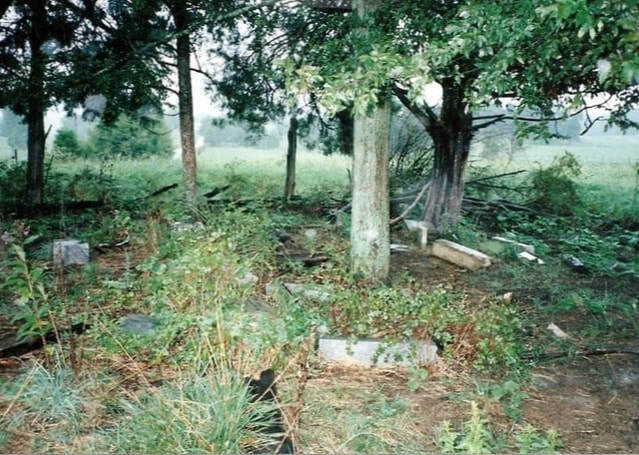
    With the 250th Anniversary of the Revolution approaching, the Simon Kenton Chapter of the Sons of the American Revolution are working to compile a complete list of Patriot graves in their area, matching pension records with cemetery records. They are visiting each grave to confirm its existence and note its condition. Stuart Martin and Dave Gilbert have been leading the effort and have been at it since the start of the year. Stuart notes the project is sometimes challenging, especially when “graves have fallen into disrepair, or they reside on private property with access prohibited, or the family cemetery and the headstones are sadly lost to eternity.”
    Picture

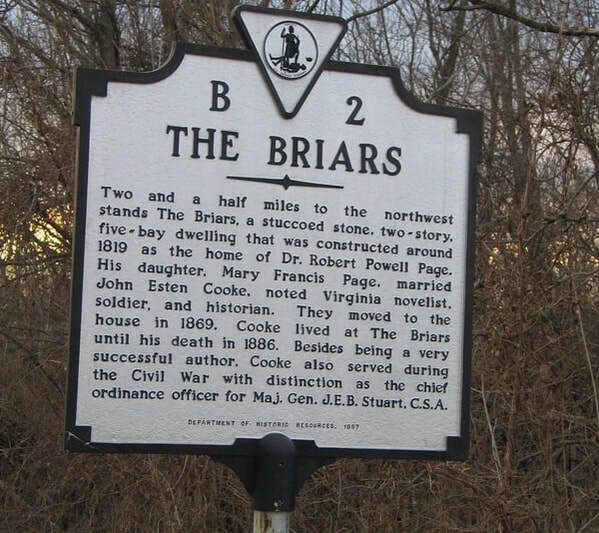
    Captain Berry is believed to be buried at The Briars.

    They found Private Kay’s marker intact but lying flat on the ground in the Salem Baptist Church cemetery. Because the stone is worn and hard to read, they plan to replace it with a new one. The ground is frozen, however, so they are leaving it alone until after the ground thaws. For now, they are working on the application for a government-issued headstone and searching for relatives who might attend a ceremony this summer or fall. If you are a descendant or relative of James Kay, please reach out to the Simon Kenon Chapter, SAR.
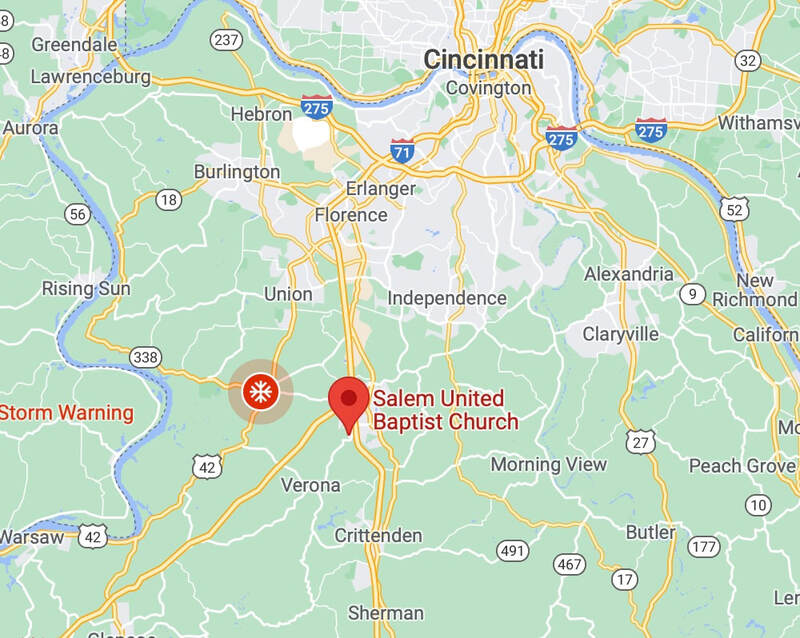
    Salem Baptist Church, Verona, Ky.
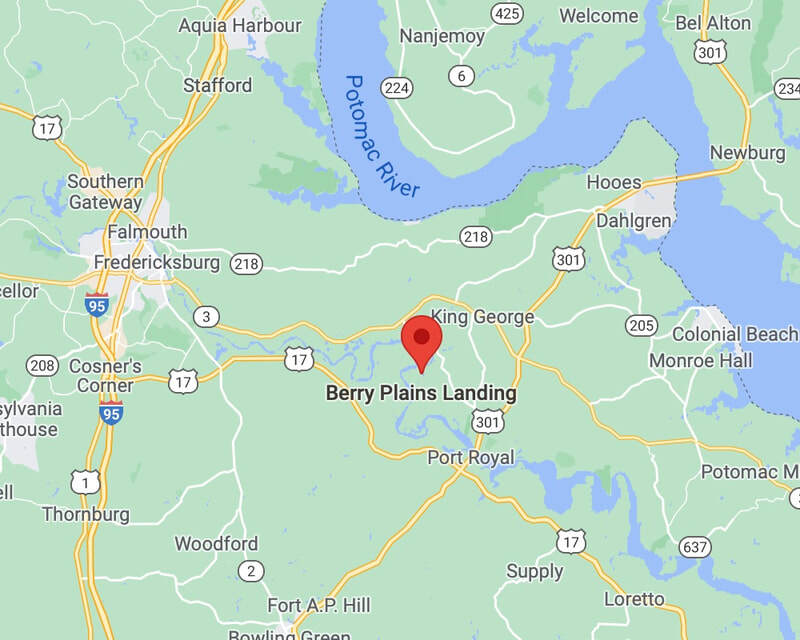
    Berry Plain, King George Co., Va.
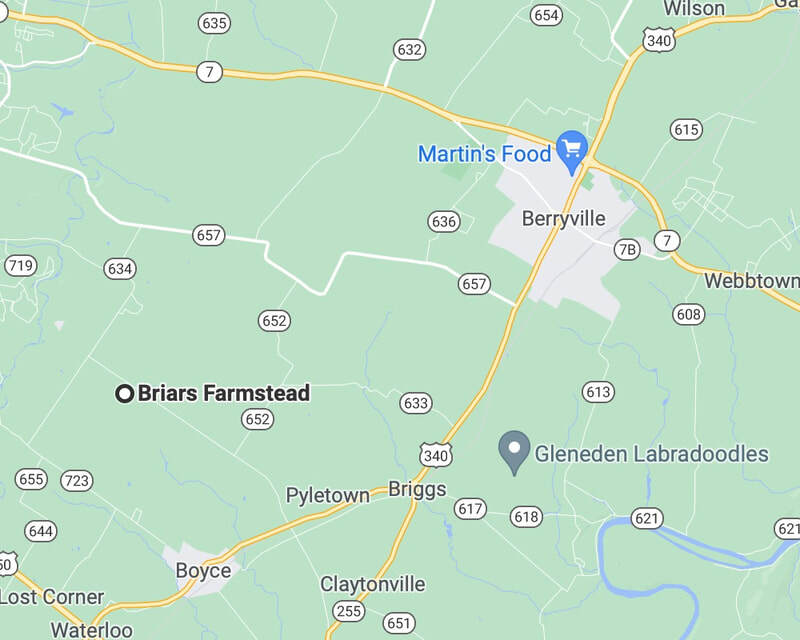
    Berryville and The Briars, Clarke Co., Va.
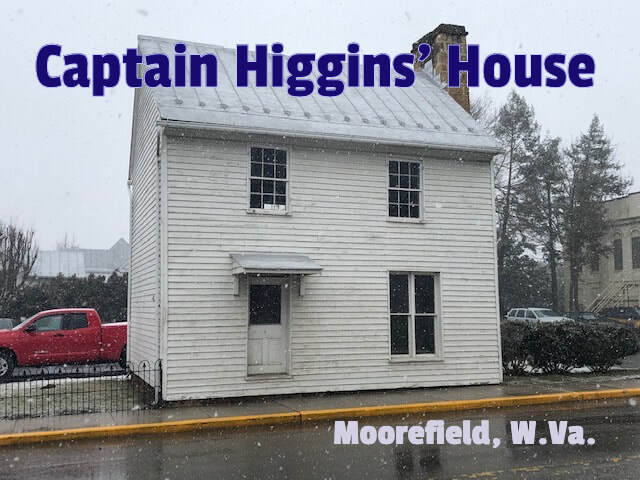
    Captain Berry, according to genealogies, is buried at "The Briars" outside Berryville. This farm has a long history and now functions as an agricultural cooperative. A call to the cooperative revealed that the current occupants have never seen the grave or even a graveyard on the property. It seems Berry's is one more Patriot grave that, in Stuart Martin's phrase, "is sadly lost to eternity."

    Read more: "The Stamp Act and Captain Berry"

    More from The 8th Virginia Regiment
  • Published on

    James Craig Trampled Under Foot

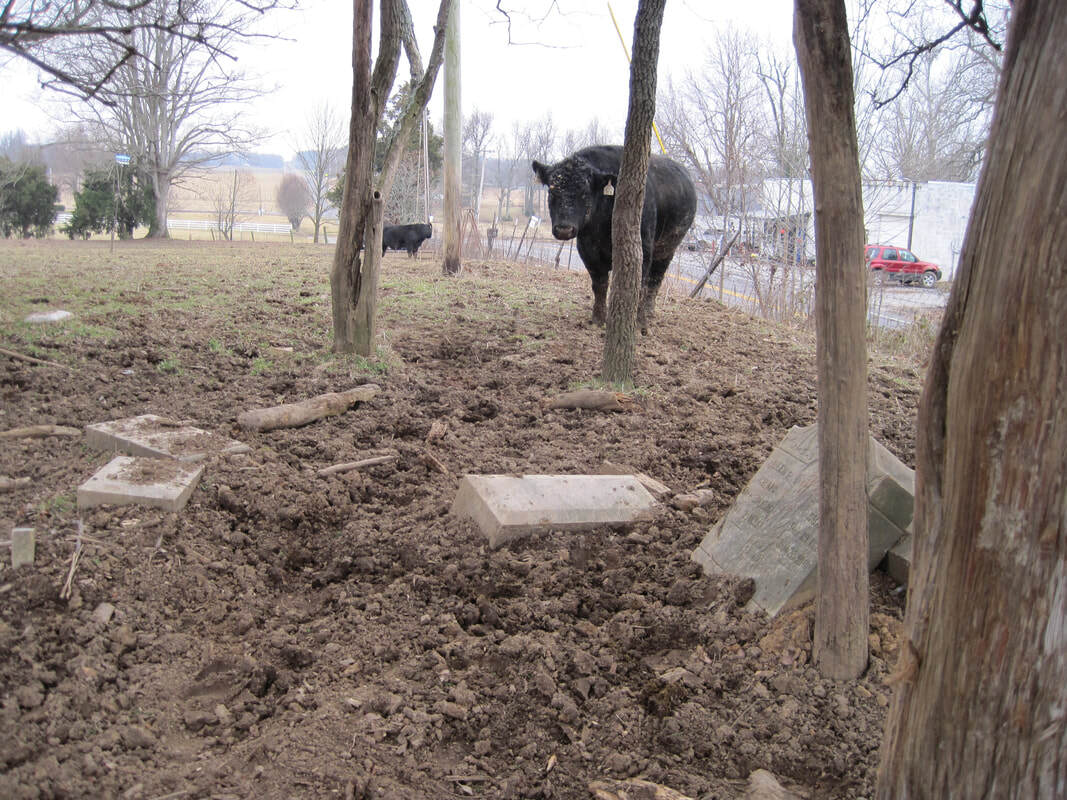
    GOOD NEWS: As reported in the comment below by Gary Tunget, the Findagrave.com images that formed the basis for this post were are inaccurate. "The Muhlenburg County History group visited the Craig Cemetery This afternoon March 27th with the property owners and two members of the SAR the photo above is not the Craig Cemetery Capt. Craig's grave stone is still standing. and not trampled by cattle . The group is going to clean the cemetery and fence the property and afterwards the Local DAR and SAR will host a Patriot Grave marking ceremony." Apologies are due, particularly to the property owner, for repeating bad information. The Findagrave.com page appears to have been corrected. --Gabe Neville
    Picture

    A 2015 photograph shows the Craig Cemetery in deplorable condition. (Jon Craig, Find-a-Grave)

    ​James Craig deserves better. He was a Continental officer who signed on early for the Revolutionary cause and took part in its first major victory. Despite this important service to his country his grave site is now a shambles.
     
    Even before there were any Virginia Continental regiments, Craig signed on to help lead one of the Old Dominion’s independent frontier companies. He was a lieutenant under Capt. William Russell in a company that ranged the southwest Virginia frontier from 1775 to 1776. In 1776 he joined Capt. James Knox in forming a Fincastle County company assigned to the 8th Virginia Regiment. After a year serving in the south, he and Knox were selected to lead a company in Daniel Morgan’s elite rifle battalion. With Morgan and Knox, he played a key role in the defeat of Gen. John Burgoyne at Saratoga—the first major American victory and the event that persuaded the French to openly support the cause.
    Picture

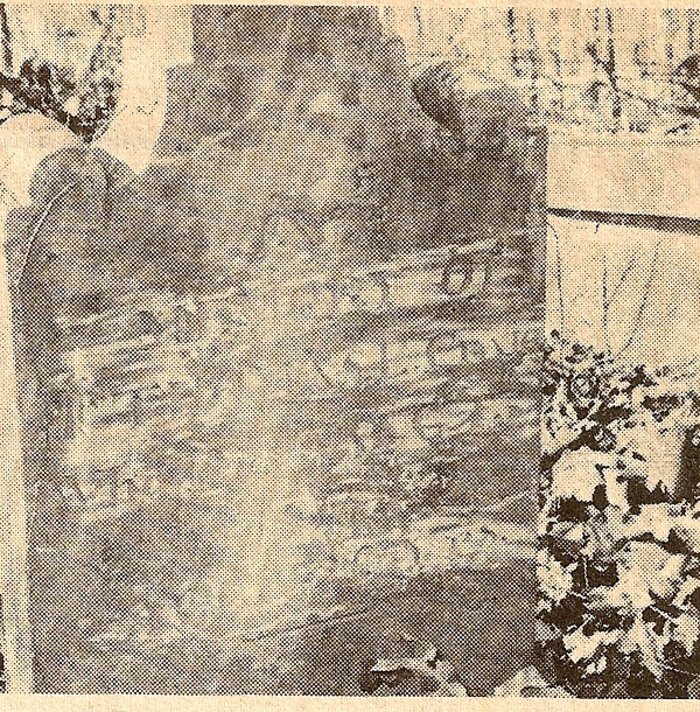
    An undated image, evidently clipped from a newspaper, shows Craig's headstone upright and intact. (Liz Gossett, Find-a-Grave)

    Picture

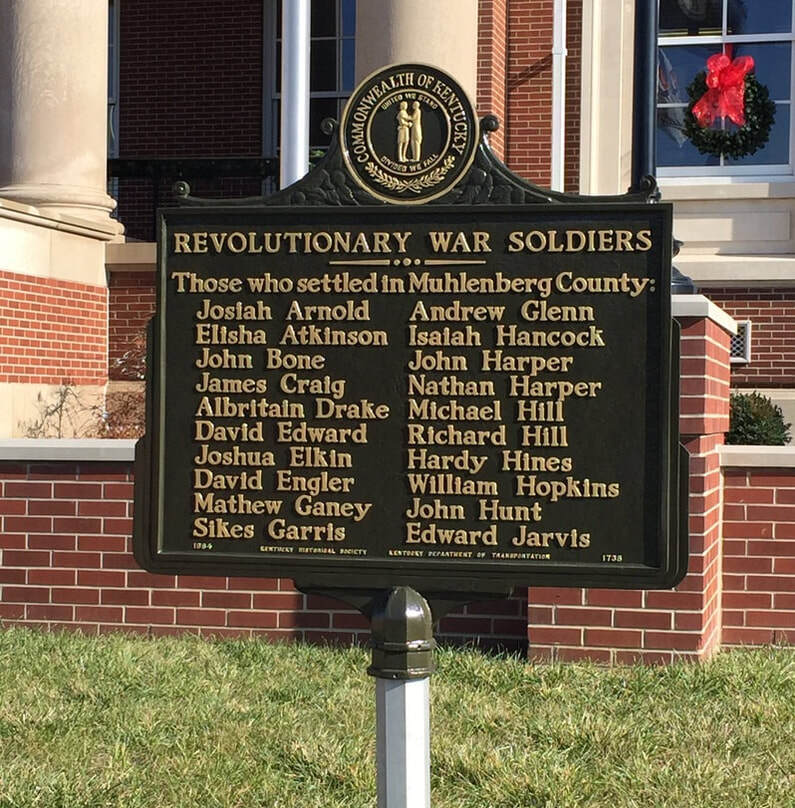
    Craig is listed on a state historical marker in front of the Muhlenberg County court house. Josiah Arnold is also an 8th Va. veteran. (E. C. Russell Chapter, DAR)

    After the war Craig settled in Kentucky like thousands of other veterans. He was appointed by the Commonwealth to be one of the first justices of Muhlenberg County, when it was created in 1799. The county, of course, was named in honor of Peter Muhlenberg, under whom Craig had served in the war.
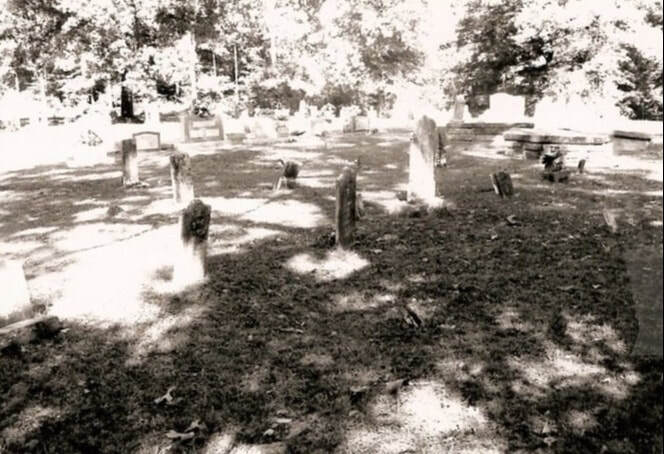
    Though never famous on the national stage, Craig led a consequential and locally important life. He died in 1816 at the age of 81 after marrying twice and having many children. He is buried in Craig Cemetery in Rosewood, a rural Muhlenberg County community about forty miles west of Bowling Green. According to a Find-a-Grave page maintained by Liz Gossett, Craig’s headstone is in “very bad shape.” The featured image of it appears to be an old one taken from a newspaper. Three pictures of the Cemetery show a progressive decline. The first image, said to be from the late 19th century, shows a tidy, well-kept site. The second, from 2004, shows fallen headstones interspersed with clumps of weeds. A third photo (the first one shown above) shows cattle roaming among the fallen markers, the dirt churned up by their hooves.
    Picture

    An old photograph shows the cemetery in good condition. It was maintained by Luther Craig until he died in 1960. (Courtesy Liz Gossett, Find-a-Grave)

    Picture

    A 2004 photograph shows fallen headstones and unrestrained weeds, 44 years after maintenance ceased. (Liz Gossett, Find-a-Grave)

    Ms. Gossett indicates that the cemetery was maintained by descendant Luther Craig until his death in 1960 and has since been abandoned. Someone—the DAR, the SAR, the property owner, or descendants—should restore this cemetery and see to it that James Craig and those buried around him can rest with the dignity they deserve.

    More from The 8th Virginia Regiment
  • Published on

    Many Men Have Died in Darkness

    Picture
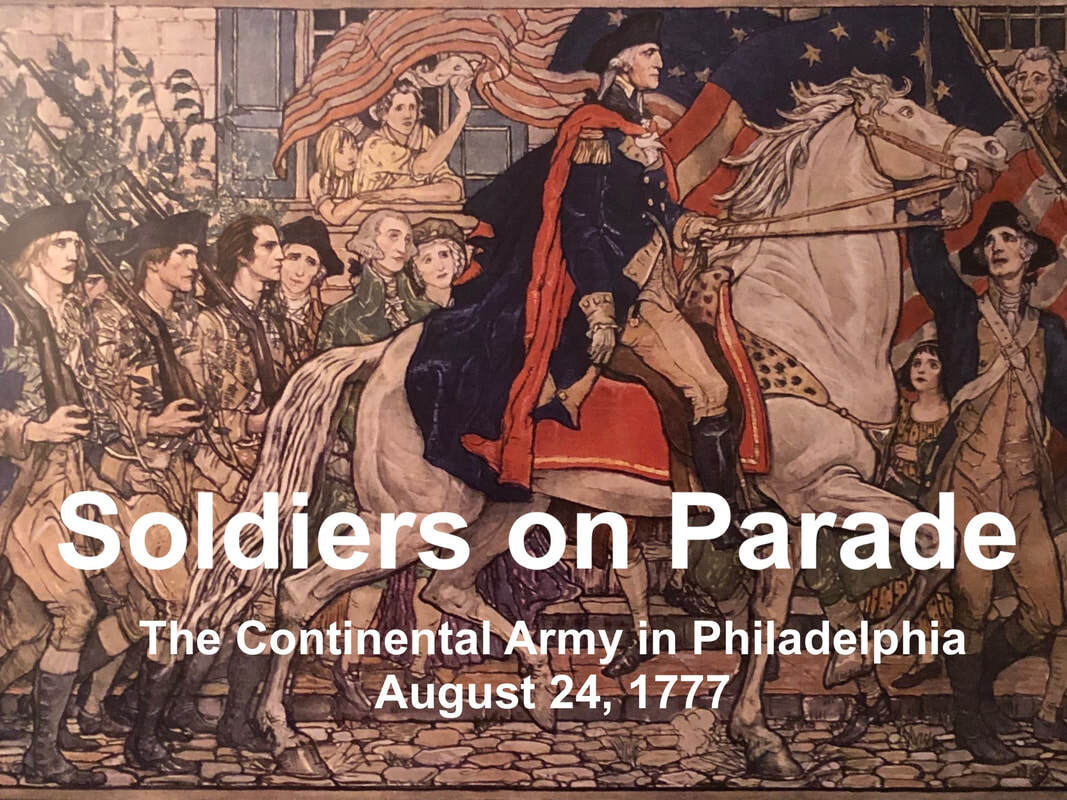
    On January 13, 1777 future President John Adams went for a walk in Philadelphia. He was, at the time, a delegate to the Continental Congress. After returning to his lodgings he wrote:

    "I have spent an hour this morning in the Congregation of the dead. I took a walk into the 'Potter's Field,' a burying ground between the new stone prison and the hospital, and I never in my whole life was affected with so much melancholy. The graves of the soldiers, who have been buried, in this ground, from the hospital and bettering-house, during the course of last summer, fall and winter, dead of the small pox and camp diseases, are enough to make the heart of stone to melt away! The sexton told me that upwards of two thousand soldiers had been buried there, and by the appearance of the grave and trenches, it is most probable to me that he speaks within bounds. To what causes this plague is to be attributed, I don't know--disease had destroyed ten men for us where the sword of the enemy has killed one!" 
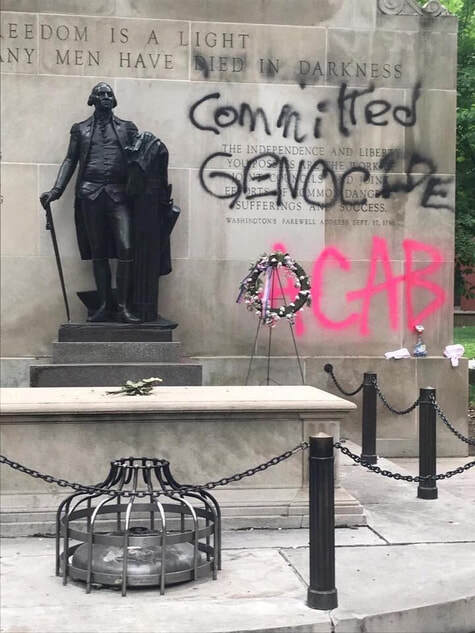
    Philadelphia's recently defaced Tomb of the Unknown Soldier is not a memorial for George Washington (though it is located in Washington Square). It is a memorial for the two or maybe three thousand penniless soldiers who are buried there in mass graves. Each was fighting for freedom at a time when a better understanding of freedom and equality was only just dawning on humanity. The evident majority who died of smallpox suffered more than most modern people can comprehend. They died for the principle that "all men are created equal" (the Declaration of Independence, written in 1776) and so that we might have the right "peaceably to assemble" and to "petition the Government for redress of grievances" (the 1st Amendment, written in 1791).

    "Black lives matter" has essentially the same meaning as "all men are created equal." Both are true statements. The newer slogan, however, is also a Declaration that the "arc of history" has farther to bend until it achieves justice. That is also true. Ask any member of "Mother Emanuel" AME Church in Charleston or the families of Ahmaud Arbery and George Floyd.

    We have a better understanding of freedom and equality today than America's founding generation had. But you have to walk before you can run, and the men buried in Washington Square were among the very first common people on Earth to walk upright and proudly in defense of human and civil rights. Today, most of the world is still trying to catch up.

    ​We can't let up now, however. We have farther to go.

    Read More: "The Tragedy of Henry Laurens" (August 1, 2019)

    More from The 8th Virginia Regiment
  • Published on

    The Mighty Oaks of the Forest

    Picture
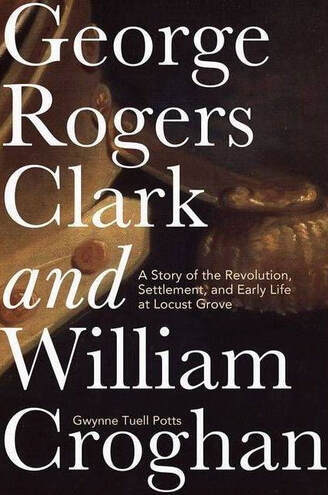
    George Rogers Clark & William Croghan by Gwynne Tuell Potts (Lexington: University Press of Kentucky, 2020)
    Picture
    “The phenomenon of fame confounds and fascinates, indiscriminately raising some to glory while consigning apparent equals to exile.” This is Gwynne Tuell Potts’s insight in her new book on George Rogers Clark and his brother-in-law, William Croghan. “In its most satirical form,” she continues, “fame dooms an occasional soul to both states.” Potts’s 300-page volume is an exploration of the vagaries of fame and fortune.

    George Rogers Clark was famous, once. He was a towering figure on the western front of the Revolutionary War. Potts quotes French Gen. Henri Victor Collot describing Clark as the person who had “gained from the natives almost the whole of that immense country which forms now the Western states.” Collot said Clark was “the rival, in short, of George Washington.” Clark’s reputation was diminished in his own lifetime and his fame has since waned. His story is not taught in most schools and his Virginia commission excludes him from the pantheon of well-known Continental generals.

    William Croghan has never been famous, but his life illustrates the aspirations and achievements of America’s early frontiersmen. He fought for national expansion and then played an important role in that expansion by moving to Kentucky and running the office that parceled out bounty land to veterans. This was a lucrative position. Croghan prospered and built a stately home, which he called Locust Grove.

    ...continue to The Journal of the American Revolution.

    More from The 8th Virginia Regiment
  • Published on

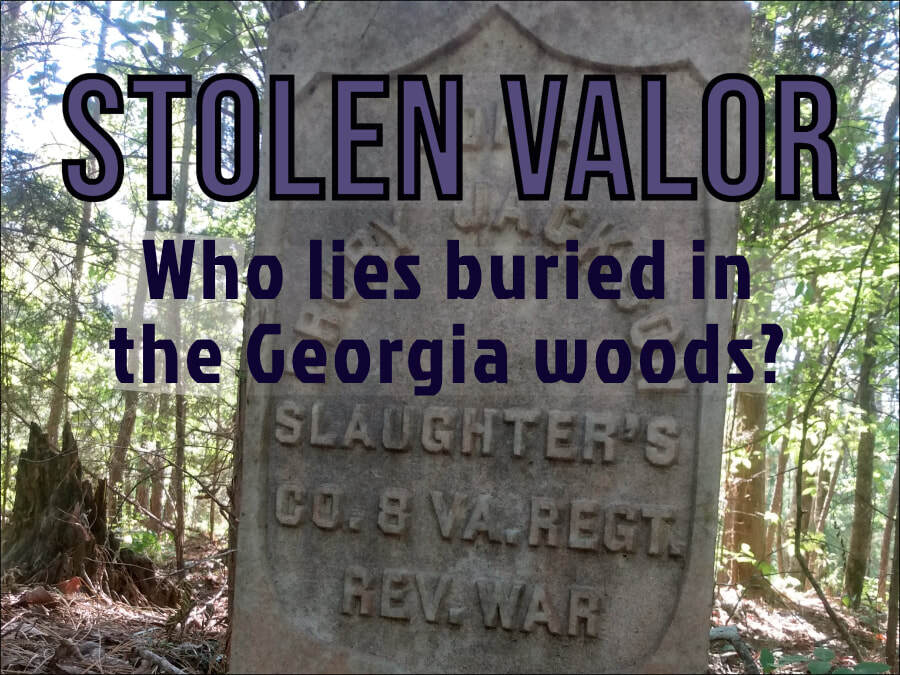
    Stolen Valor in Georgia

    Picture

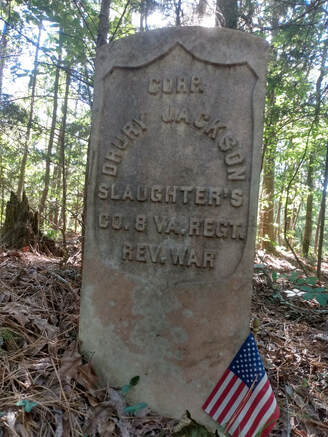
    Drury Jackson of the 8th Virginia probably never set foot in Georgia. So why is his gravestone there? (Dutch Henderson)

    Who is the man who lies buried in the ground of central Georgia?
    Thirty years ago, Dutch Henderson was “stomping through the woods” near Lake Sinclair in central Georgia when he stumbled upon an old gravestone. Some might have thought it an odd spot for a grave, but Dutch knew the history of the area and it made sense. In fact, the setting told him the man six feet under had played an important role in American history.
     
    The inscription on the marker read: “CORP. DRURY JACKSON, SLAUGHTER’S CO. 8 VA. REGT. REV. WAR.” Why was this headstone for a Revolutionary War soldier all alone in the woods near a lake?
     Time changes things. Neither the lake nor the woods were there when Drury Jackson died. Back then the grave was on cleared ground overlooking the Oconee River. Depressions in the soil still reveal to the trained eye that Drury was buried in proper cemetery. The river became a lake in 1953 when it was dammed up to create a 45,000-kilowatt hydroelectric generating station. When Dutch found the grave, the cemetery had been neglected and reclaimed by nature. Today it is in a copse of trees surrounded by vacation homes.

    ​Dutch spends his free time studying local history and conducting archeology. He has made some important finds, including a string of frontier forts along what was once the “far” side of the Oconee. He’s pretty sure that Drury’s burial in that spot is an important clue to his life in the years following the Revolutionary War. From there, however, things get complicated.

    More from The 8th Virginia Regiment
  • Published on

    Three Germans: The Regiment's Field Officers

    Image description
    Why Germans? The 8th Virginia Regiment of Foot was authorized by the revolutionary Virginia Convention on December 13, 1775. It had no numeric designation yet, but was intended to be unique in two ways. It would be ethnically-based and all of its men would carry rifles. It was conceived as a “battalion” to “be composed of Germans, with German officers.”
     
    The concept may have originated with the Rev. Peter Muhlenberg and Jonathan Clark, both delegates from Dunmore County in the Shenandoah Valley. Dunmore (now called Shenandoah County) was the cultural hub of German life in the Valley. It is inconceivable that the resolution could have been drafted without the involvement of at least Muhlenberg and probably of Clark as well. Muhlenberg was the Rector of Beckford Parish, the geography of which was identical to that of Dunmore County. His church was at Woodstock, the county seat. He was, however, more than just the community’s pastor. He was the son of the patriarch or the Lutheran Church in America, whose church was in the village of Trappe near Philadelphia. Clark was the county’s deputy clerk, an important job, under Thomas Marshall (soon to be colonel of the 3rd Virginia Regiment and father of future Chief Justice John Marshall).

    The Shenandoah Valley’s Germans had nearly all come the way Muhlenberg had: down the Great Philadelphia Wagon Road to Virginia. The road passed through communities that remain heavily German to this day, such as Lancaster, Pennsylvania. Scotch-Irish immigrants followed the same route, but tended to settle farther south in the Valley, around Staunton and Augusta County. 

    Lutheran Germans like Muhlenberg were seen by the Virginia gentry as reasonably reliable and trustworthy. Their theology differed little from the Church of England. Muhlenberg had, in fact, gone to London to be ordained before taking his position in Woodstock. (King George III was himself of German descent and his great grandfather, George I, couldn’t speak English when he took the throne.) The Ulster Irish, however, were less trusted. They were theological dissenters and often politically radical. Their Calvinist faith differed in important ways from Anglicanism. They could, however, be counted on to fight
    The ordinance creating the 8th Virginia and the selection of field officers that followed it suggest that what the convention really meant by calling it “German” was that Germans would command it (and that the Irish would not). Muhlenberg was the perfect candidate for such a role. He and Clark both served as officers in the regiment, something that may well have been predetermined. Muhlenberg would be the top officer and Clark would command one of Dunmore County’s two companies (the German one).
    Picture

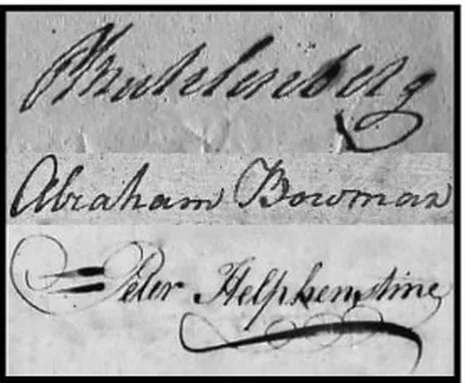
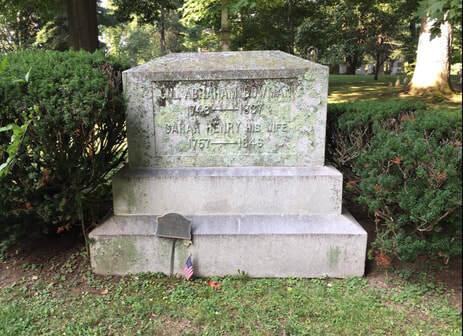
    The lichen-encrusted grave of Abraham Bowman in Lexington, Kentucky. No portraits of Bowman or Helphenstine survive. Though Helphenstine is known to be buried in the Lutheran section of Winchester's Mount Hebron Cemetery, there's no surviving marker. It may be that his destitute widow was not able to afford a stone memorial. (author)

    “And be it farther ordained,” read the resolution, “That of the six regiments to be levied as aforesaid, one of them shall be called a German regiment, to be made up of German and other officers and soldiers, as the committees of the several counties of Augusta, West Augusta, Berkeley, Culpeper, Dunmore, Fincastle, Frederick, and Hampshire (by which committees the several captains and subaltern officers of the said regiment are to be appointed) shall judge expedient.”
    Picture

    Peter Muhlenberg portrayed at the end of the war as a brevet Major General.

    Muhlenberg and Bowman were both too young to have participated in the French and Indian War as most of Virginia’s other senior officers had. Muhlenberg had spent some time in a British military unit after dropping out of seminary in Germany years before. Bowman had experienced at least one dangerous encounter with Indians as a teenager. It is fairly clear that in choosing them the Convention prioritized their ability to rally and unite the Shenandoah Valley over their fairly meager military experience. Patrick Henry was the only other appointed colonel who had no real military experience.

    When they received their commissions Muhlenberg was twenty-nine years old and Bowman was twenty-six. The regiment’s major was Peter Helphenstine, a German from Winchester in Frederick County. He was about twice Bowman’s age, in his middle fifties. He had commanded a company in the governor’s division during Lord Dunmore’s War in 1774. He was a respected tradesman and an active Lutheran.
    Below them, the officers of the ten companies—captains, lieutenants and ensigns—were a diverse group. English, German, and Scotch-Irish were most common. Capt. Abel Westfall of Hampshire County was Dutch, though his family had been in America for generations. Lieut. Jacob Rinker was Swiss. Lieut. Isaac Israel was Jewish. Religiously, though it is hard to trace, they were mostly Anglican, Lutheran, German Reformed, Presbyterian, and probably Baptist. If there were no Methodists, some of them—including Capt. Westfall—would become Methodists soon.
    ​`
    The diversity of the officers reflected the diversity in the rank and file. The 8th Virginia was a microcosm of the Continental Army at large. It was America’s original “melting pot.” Originally divided by race and religion, their shared hardships would soon make them a band of brothers.

    ​The committees were generally dominated by English elites and could be counted on to appoint the right kind of company officers. Only two of ten companies had Irish captains: Fincastle County and the West Augusta district (both on the frontier) selected James Knox and William Croghan. Both were capable and loyal officers.


    The choice of field officers, however, was up to the Virginia Convention and it chose three Germans as it had planned. Each was from a different down in the lower (northern) Shenandoah Valley. Muhlenberg was appointed to be the colonel. Abraham Bowman of Strasburg (also in Dunmore County) was appointed to be the lieutenant colonel. Bowman came from a prominent family. His grandfather, Jost Hite, had led the first group of German settlers into the valley from Pennsylvania in 1731.  

    More from The 8th Virginia Regiment
    Picture
    Picture
    Picture