The 10 Key Campaigns of the American Revolution
Edward G. Lengel, ed. (Washington, D.C: Regnery, 2020)
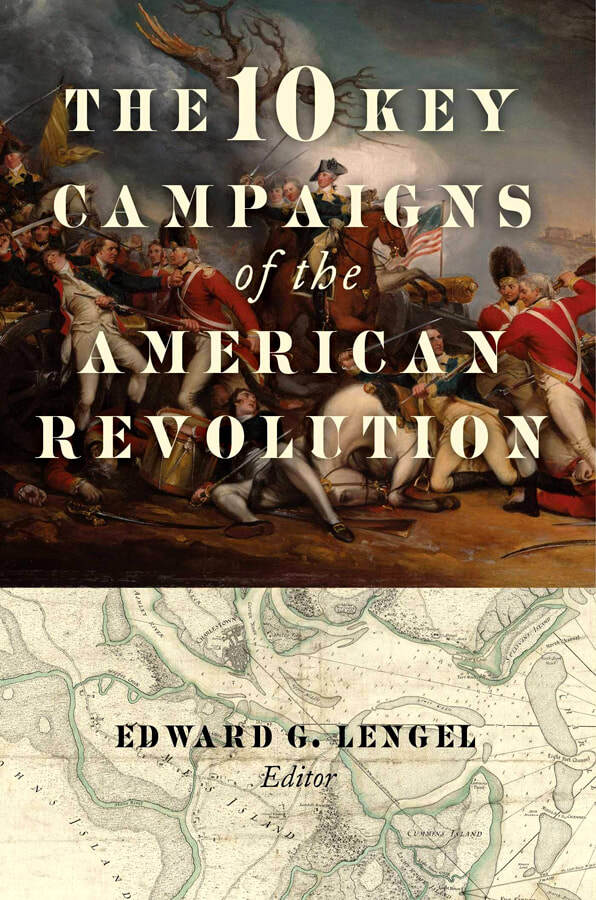
Edward Lengel begins this book with a remarkable claim. He writes, “The American War for Independence remains—now, nearly 250 years since its onset—a relatively new field of study.” This will initially strike many readers as a wild assertion. How can this be true when, by one estimate, nine hundred books have been written about George Washington alone? Lengel explains, simply, that “Shocking as it may seem, many of the war’s campaigns and battles have become the subjects of book-length treatments only over the past several years.”
This is indisputably true. In important ways, recent books have also corrected and clarified our understanding of even the most famous campaigns, events, and personalities. It seems that historians were, for a long time, more interested in critiquing and analyzing the Founding Era than in nailing down the Revolution’s actual course of its events.
This is indisputably true. In important ways, recent books have also corrected and clarified our understanding of even the most famous campaigns, events, and personalities. It seems that historians were, for a long time, more interested in critiquing and analyzing the Founding Era than in nailing down the Revolution’s actual course of its events.
Several histories have appeared in this century that have broken significant new ground in this regard. In The 10 Key Campaigns of the American Revolution, Lengel pulls together a Dream Team of these writers to provide a fresh, top-level overview of the war. Each of the ten authors takes a chapter, providing an authoritative and readable account of a campaign.
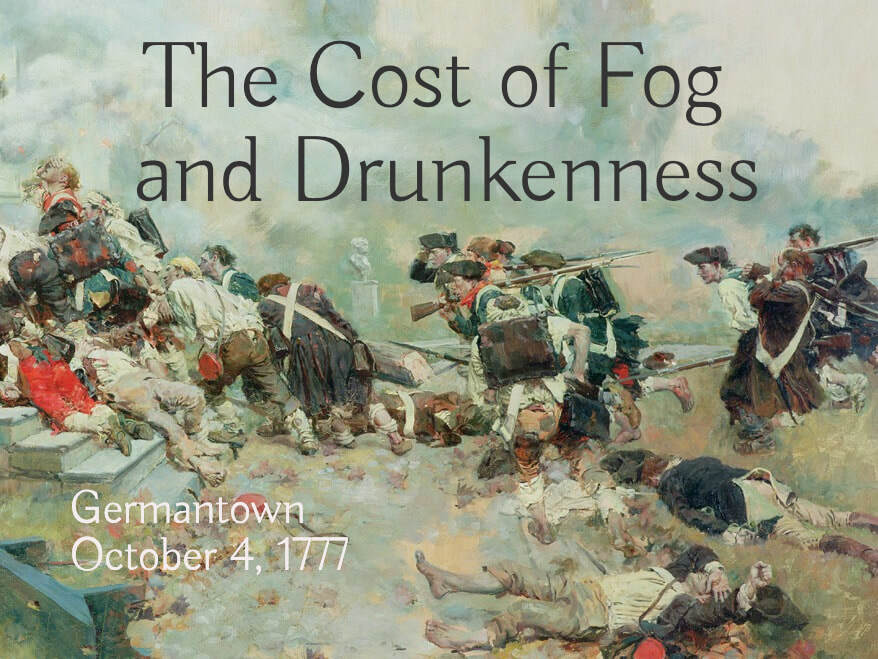
For those already steeped in the subject matter, the book offers an opportunity to step back from the trees and look again at the forest. For those who are new to the military history of the founding era, it is an excellent primer. Best of all, it is a book filled with good stories. Who doesn’t love the drama of the Ten Crucial Days and King’s Mountain? Admittedly, there is something odd about writers who know so much about their subjects writing so briefly on them. How on Earth, one must ask, did Michael Harris manage to tell the story of Brandywine and Germantown in a mere eighteen pages? Yet, each of them does it quite well: providing very readable narratives that feature new or recent insights and well-colored characters. Some of the contributors ask and answer difficult questions. Washington and Lafayette, two of the war’s great heroes, are brought down a peg. History has been kinder to Benedict Arnold for some time. Now Charles Lee and Philip Schuyler are also given more sympathetic treatments.
Continue to ...The Journal of the American Revolution
For those already steeped in the subject matter, the book offers an opportunity to step back from the trees and look again at the forest. For those who are new to the military history of the founding era, it is an excellent primer. Best of all, it is a book filled with good stories. Who doesn’t love the drama of the Ten Crucial Days and King’s Mountain? Admittedly, there is something odd about writers who know so much about their subjects writing so briefly on them. How on Earth, one must ask, did Michael Harris manage to tell the story of Brandywine and Germantown in a mere eighteen pages? Yet, each of them does it quite well: providing very readable narratives that feature new or recent insights and well-colored characters. Some of the contributors ask and answer difficult questions. Washington and Lafayette, two of the war’s great heroes, are brought down a peg. History has been kinder to Benedict Arnold for some time. Now Charles Lee and Philip Schuyler are also given more sympathetic treatments.
Continue to ...The Journal of the American Revolution
More from The 8th Virginia Regiment