• Published on

    8th Virginia Houses

    The homes of several 8th Virginia veterans survive in Virginia, West Virginia, Pennsylvania, Kentucky, and Indiana. Some were the houses they grew up in and others were built in their final years of life.  Some survive only in photographs. If you know of others, please let us know so we an include them here.
    Picture
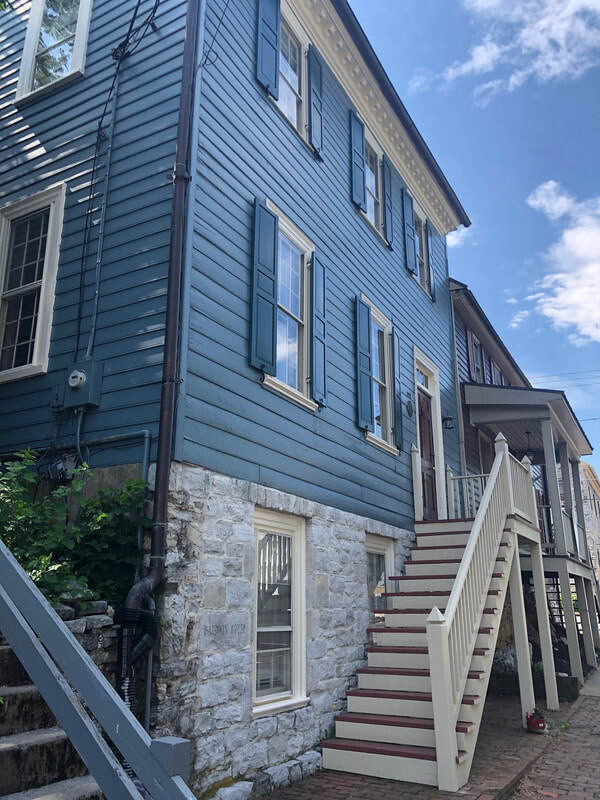
    The home of Surgeon Cornelius Baldwin on South Loudoun Street in Winchester, built in the 1790s. Baldwin was from New Jersey and joined the regiment in 1777, continuing in service to the end of the war. Among his civilian patients was Thomas Fairfax, Sixth Lord Fairfax of Cameron, who lived near Winchester until his death in 1781. There is a tradition that Lord Fairfax died in Dr. Baldwin's home after going their for treatment. That house would have been a precursor to this one. This house was used as a tavern and significantly altered, but restored in 1777. Much of its internal woodwork is still original.
    Picture
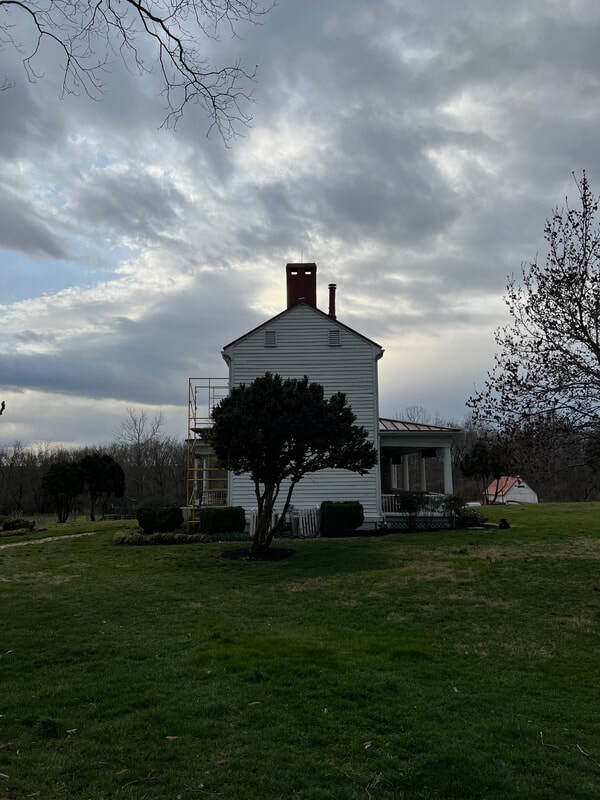
    Berry Plain, built about 1720, was the childhood home of Capt. Thomas Berry. The house was built by his father or grandfather and survives in King George County, Virginia. It overlooks the Rappahanock River, though the land has been subdivided and a new house now sits between it and the river. Much of the interior is original and the current owners are taking great care of it. Berry was the younger brother of Benjamin Berry, the founder of Berryville and the proprietor of the famous Battletown tavern where Daniel Morgan, William Darke, and John Stephenson engaged in frequent fistfights or wrestling matches in the years before the Revolution. Thomas and Benjamin both bought land on the Shenandoah River in what is now Clarke County.
    Picture
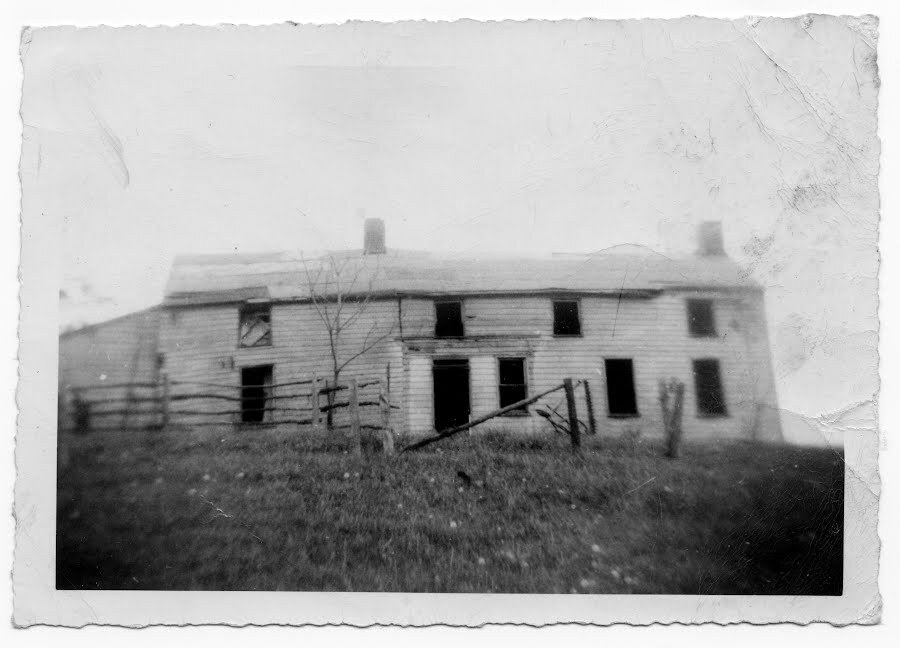
    A photo of the home of Benjamin Biggs near West Liberty, W.V. before it was torn down about 1960. Biggs was a private soldier in Capt. John Stephenson's independent frontier company in 1775, a company that was then attached to the 8th Virginia. He was later an officer in the 13th Virginia (redesigned the 9th and then the 7th later in the war) and a brigadier general in the Virginia militia in the 1790s. He was a prominent figure in the early history of Ohio County, W.V.
    Picture
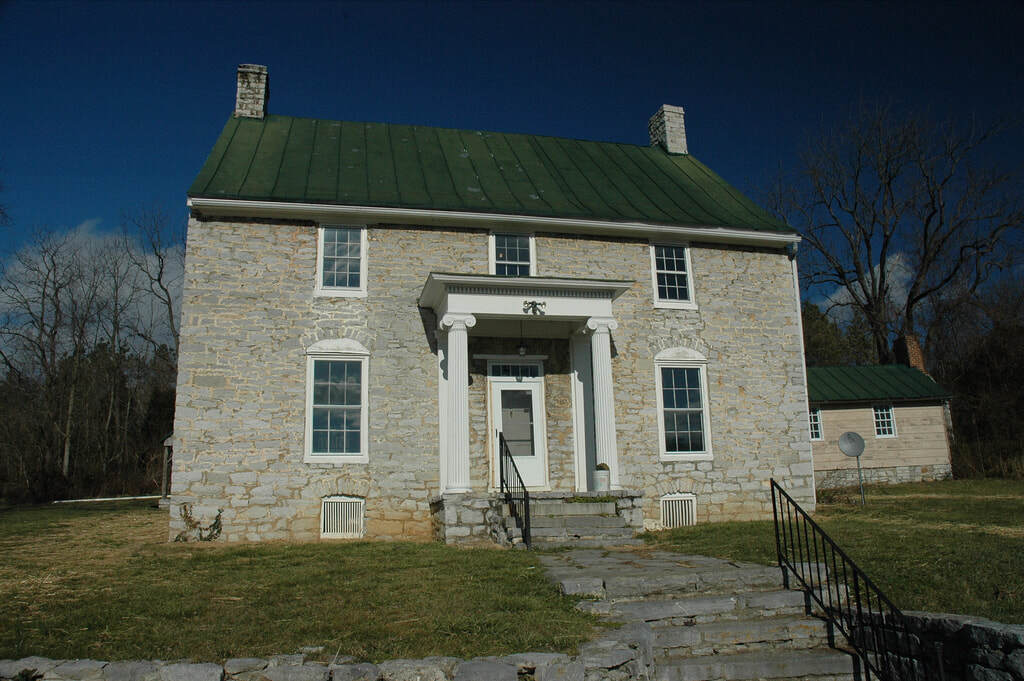
    The Shenandoah County home of Lt. Col. Abraham Bowman, built by his father in the early 1770s. The house was long believed to date to the 1750s but dendrochronology has disproven that. It was preceded by a log house which was used as a fort ("Fort Bowman") in the 1750s and 1760s. Bowman was promoted to colonel in 1777 and moved to Kentucky in 1779 after being released in a consolidation of the Virginia line.
    Picture
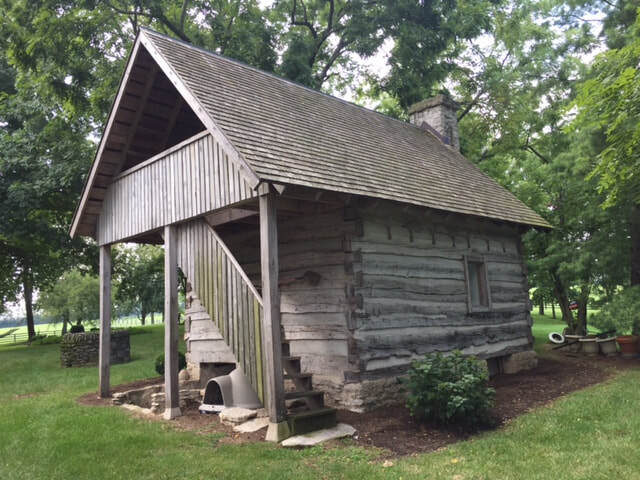
    Colonel Abraham Bowman led several families to Kentucky in 1779 and settled at first with his brother John at Bowman's Station at present Burgin, Mercer County. He was an early settler near Lexington, where he built this unique log house. It has a basement and second floor with an exterior staircase. It was expertly restored at the turn of the century.
    Picture
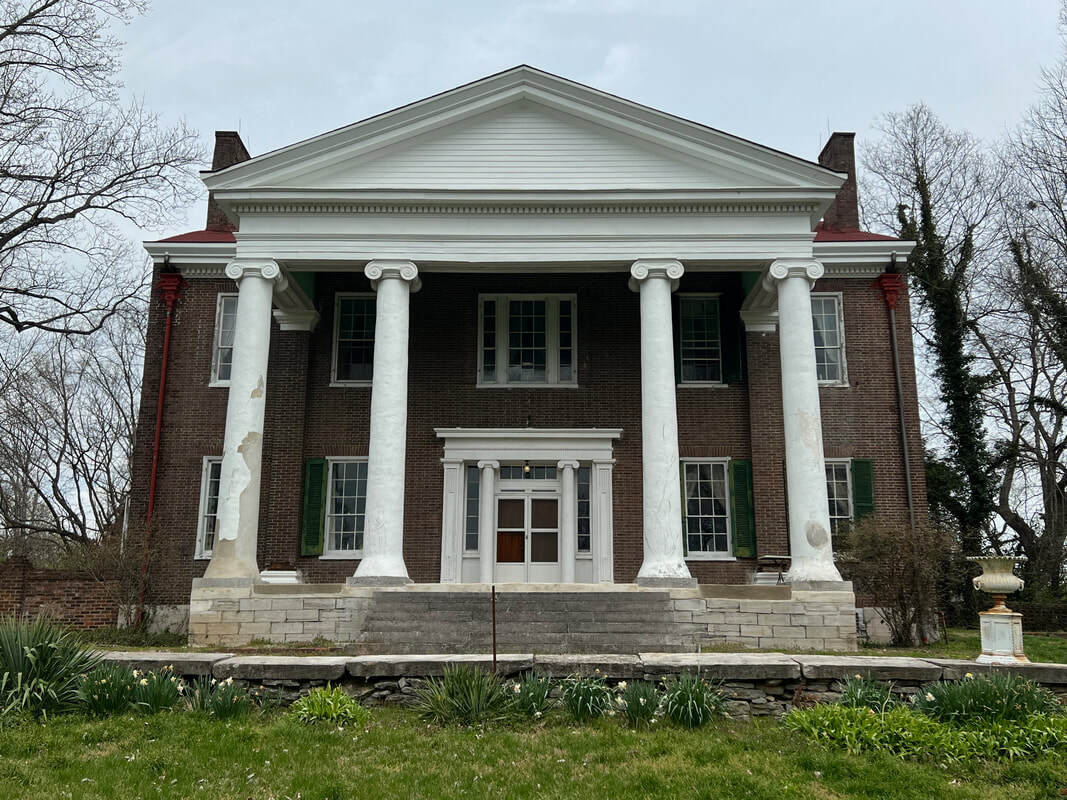
    Cedar Hall near Lexington, Ky. may have been the last home of Col. Abraham Bowman. It was built no earlier than 1834 across the road from his log house.  Colonel Bowman died in 1837. It is more plausible that the house was built by his son, George H. Bowman, but the evidence is mixed. It is a true plantation house and shows how the Bowman prospered in Kentucky, owning both slaves and quite a bit of land. The house was renamed Helm Place by later owners.
    Picture
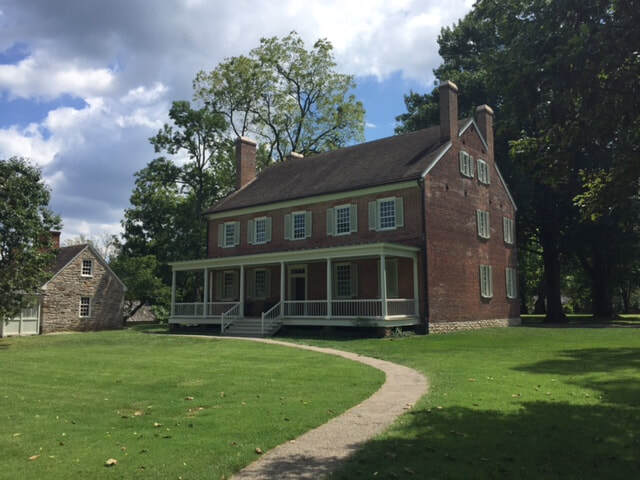
    Major William Croghan leveraged his position as a Virginia veteran bounty land agent into substantial wealth. His restored plantation house near Louisville, Locust Grove, is a frequent destination for school field trips. The connected museum is a key site for 8th Virginia history.
    Picture
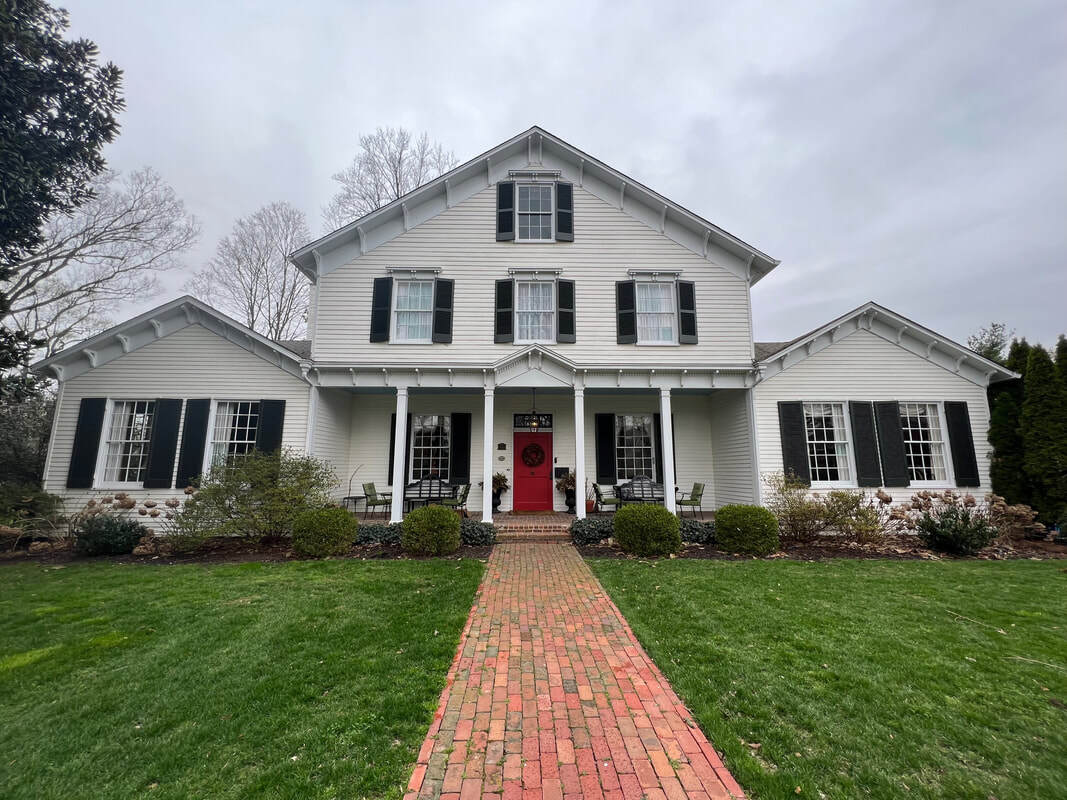
    Lt. Col. Jonathan Clark moved to Louisville to join his extended family in the 1790s. Though later additions mask its original appearance, his home survives in Louisville.
    Picture
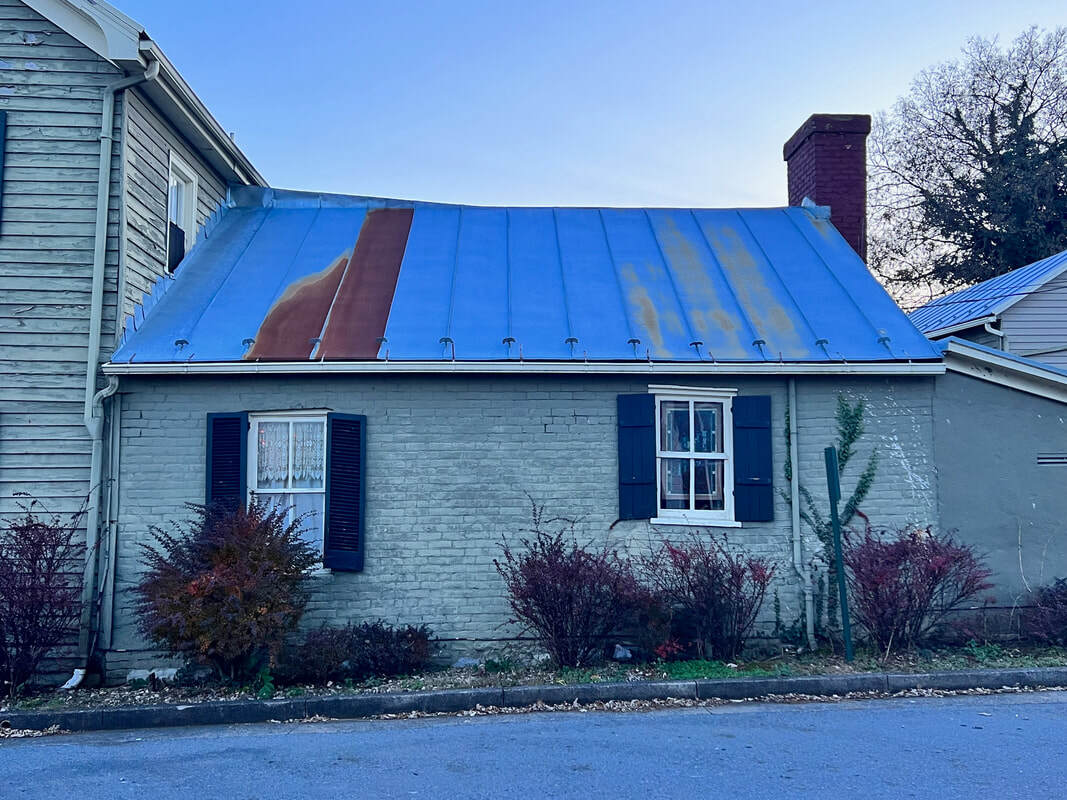
    Now the rear part of later residence, this one-story house on Main Street in Woodstock is believed to have been built by 8th Va. veteran George Clower and to have been his residence until he died in 1822.
    Picture
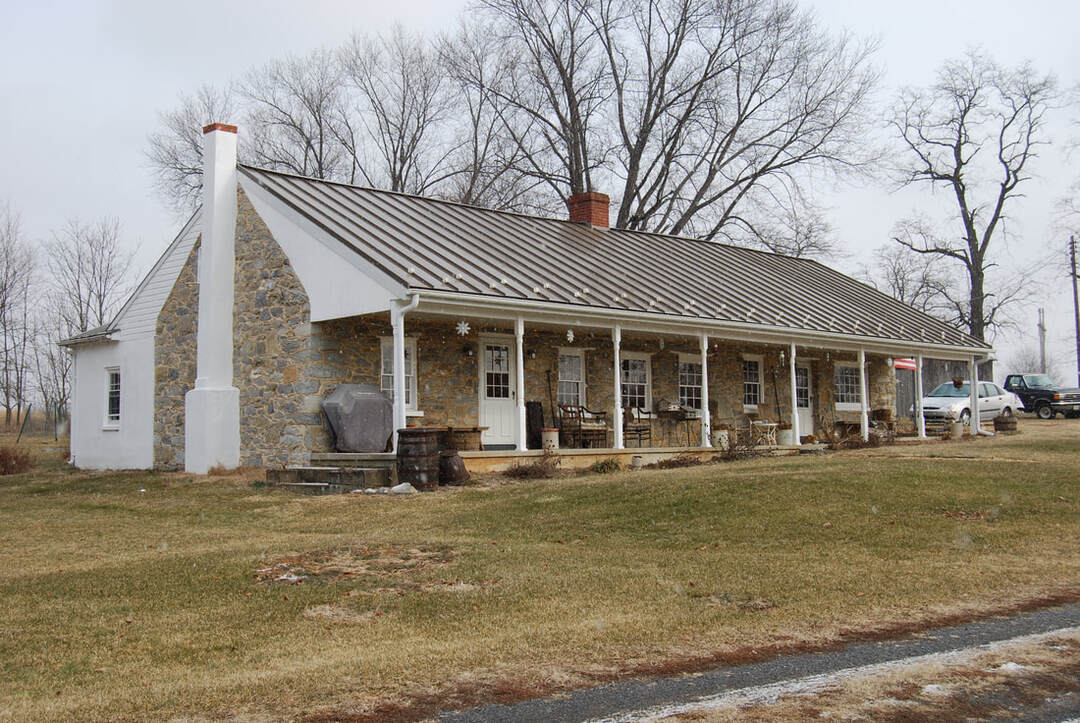
    Major William Darke's home in present Jefferson County, West Virginia does not survive, What became of it is not remembered, but he may have lived in what was later used as a slave quarters. That building, and a family graveyard, do survive.
    Picture
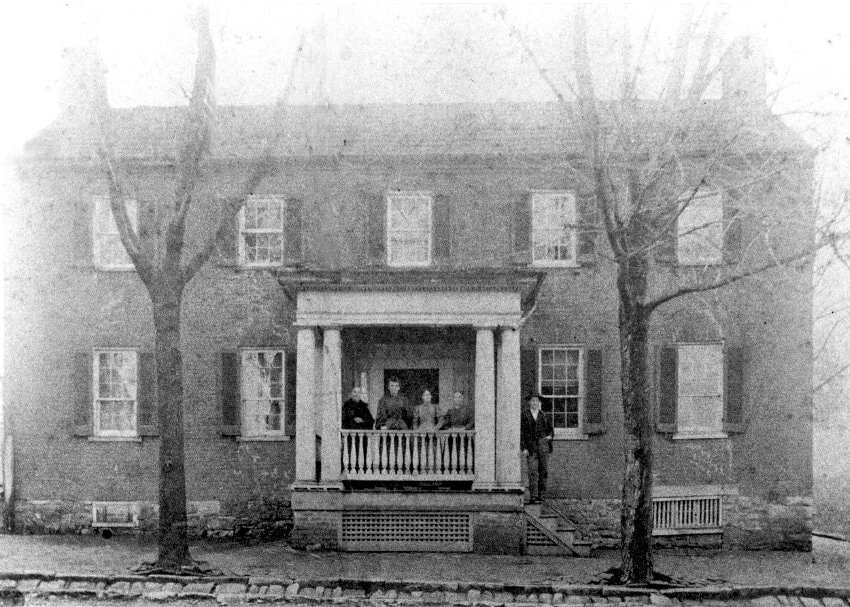
    Major Peter Helphenstine returned to Winchester in August 1776 infected with malaria. As his condition deteriorated, he oversaw the construction of a house for his wife and children. He died in 1778 or 1779. This house, which belonged to his descendants, is often said to have been his. William Greenway Russell, writing in 1876, said it was not. It was torn down in the 1950s. (WFCHS)
    Picture
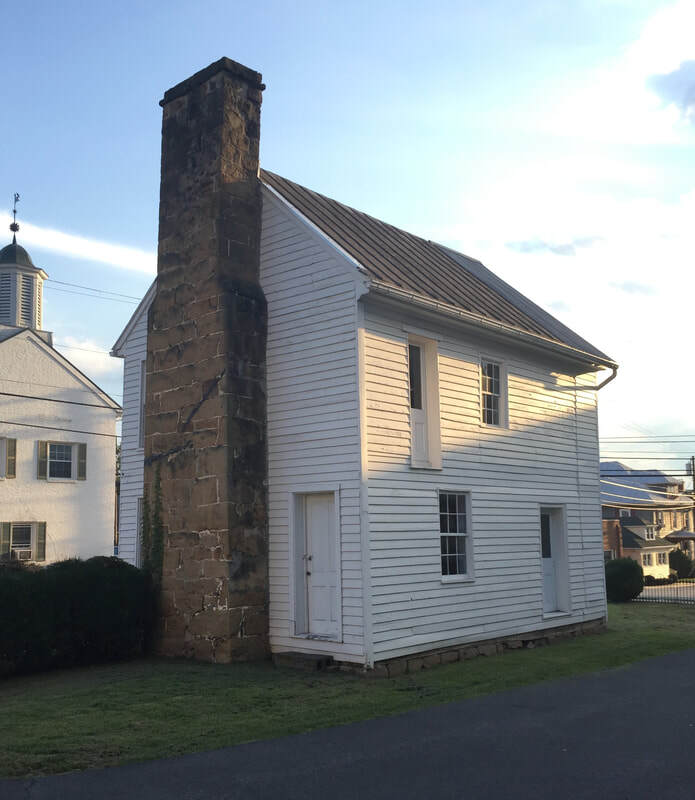
    Captain Robert Higgins grew up in what is now Hardy County, West Virginia. The town of Moorefield was chartered during the war and he returned there after the war. He built this log house there and resided in it until he moved to Ohio. The house is in good condition. There are plans to turn it into a museum.
    Picture
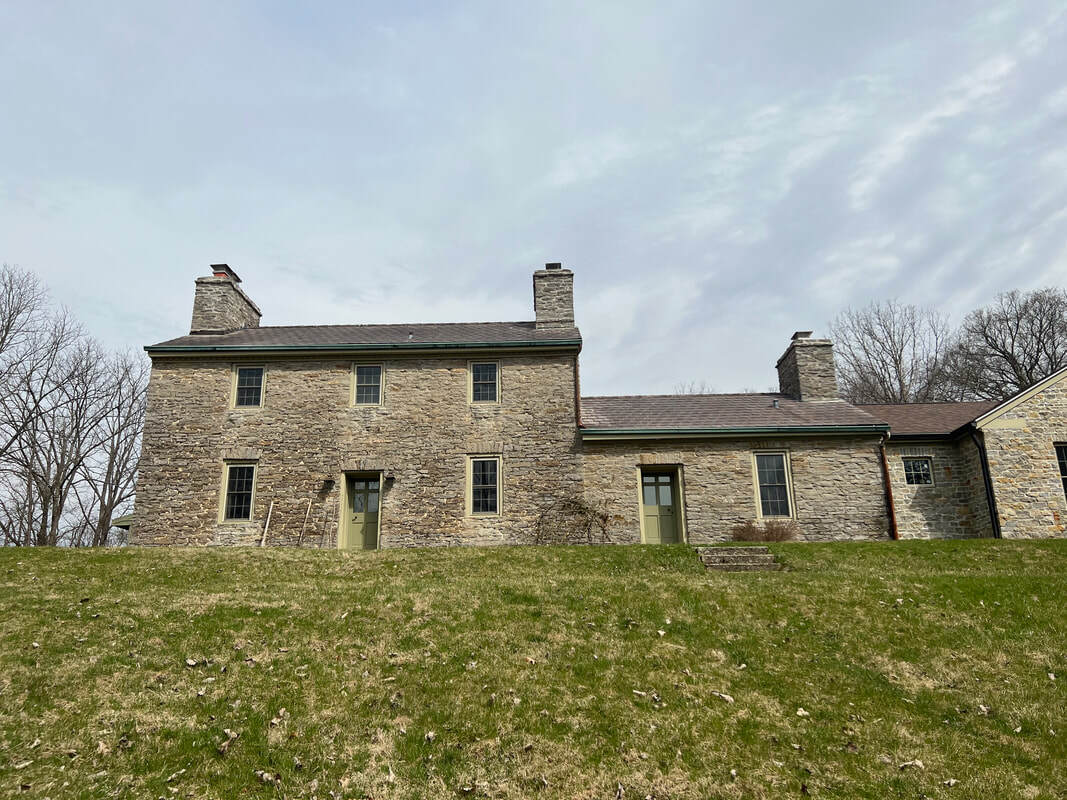
    Sgt. James Lamb of David Stephenson's Augusta County company moved to Indiana after the war, reportedly because of his objections to slavery. His home, made of fieldstone survives near the town of Richmond. Two additions have been added, but the original structure is intact.
    Picture
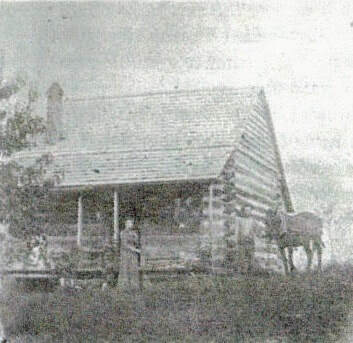
    A local history book reports that this photograph depicts veteran Christopher Moyers' log house in White Pine, Jefferson County, Tennessee. Please reach out if you know more about this house.
    Picture
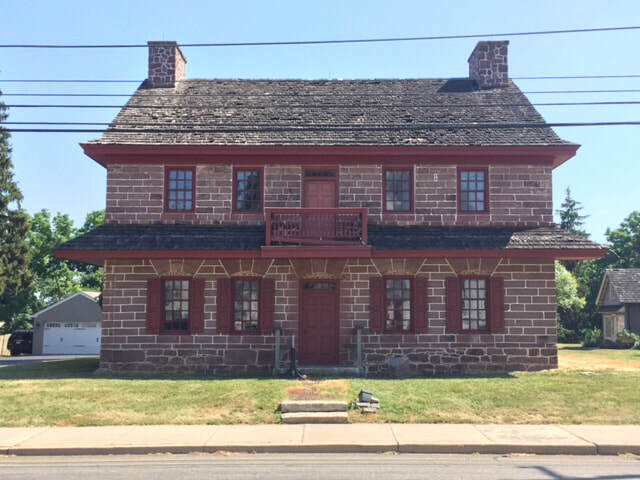
    Originally the home of his father, Gen. Peter Muhlenberg inherited this house in Trappe, Pennsylvania and lived his final years in it. He served as vice president of Pennsylvania, a member of the U.S. House and the member of the U.S. Senate during his time here. He is buried at his father's church down the street.
    Picture
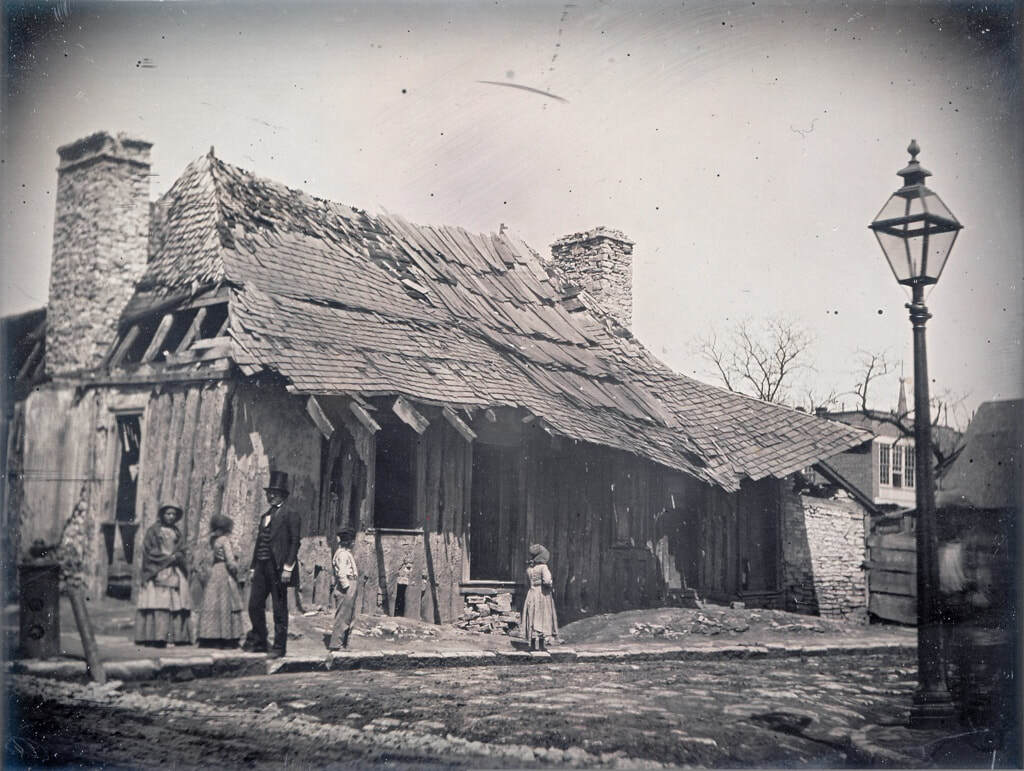
    Corporal Philip Fine lived in this house in St. Louis, Missouri in 1804, twenty years before the Louisiana Purchase. It was built in 1774 by a French colonist. Other notable people, including Meriwether Lewis and William Clark (at different times) lived in it. The house was torn down shortly after this daguerrotype image was made in 1850. The place where it stood is just a few hundred feet from the south leg of the Gateway Arch on the grounds of Gateway Arch National Park. (Missouri Historical Society)
    Picture
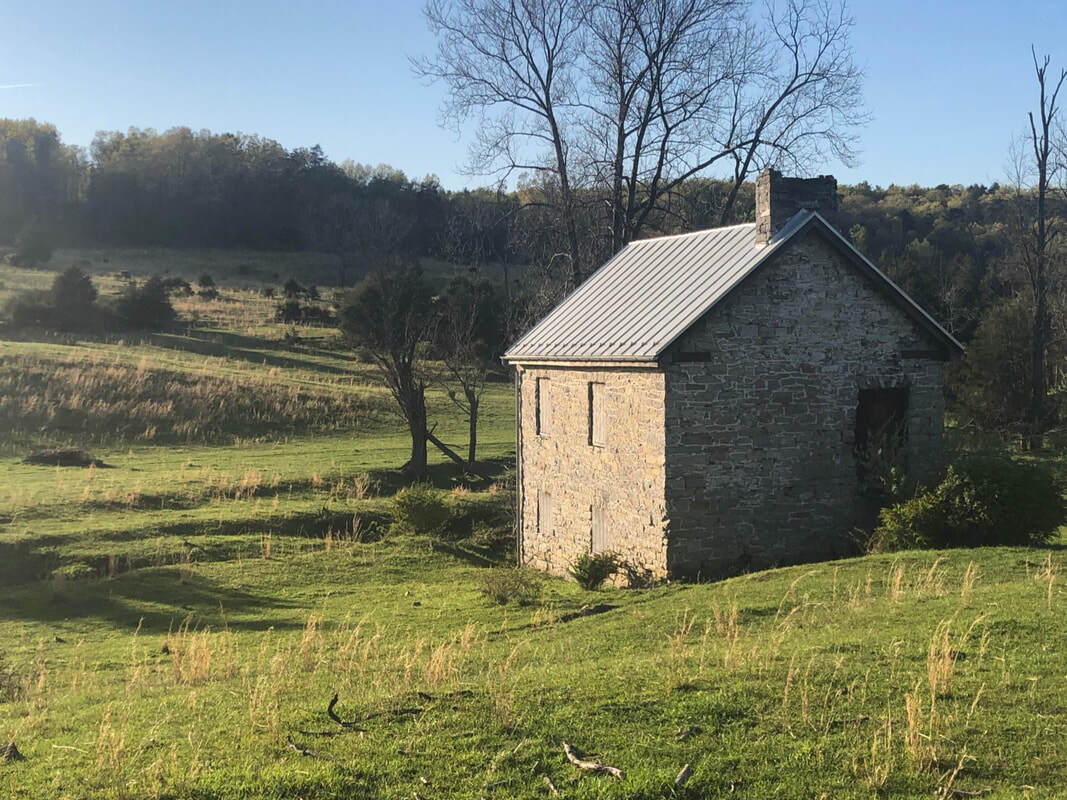
    The home of Lt. Jacob Rinker still stands in western Shenandoah County. The house, build in a German style, straddles spring and was built by the officer's father when the family settled here. Rinker rose to prominence in the Shenandoah Valley as a militia leader and much-trusted surveyor.
    Picture
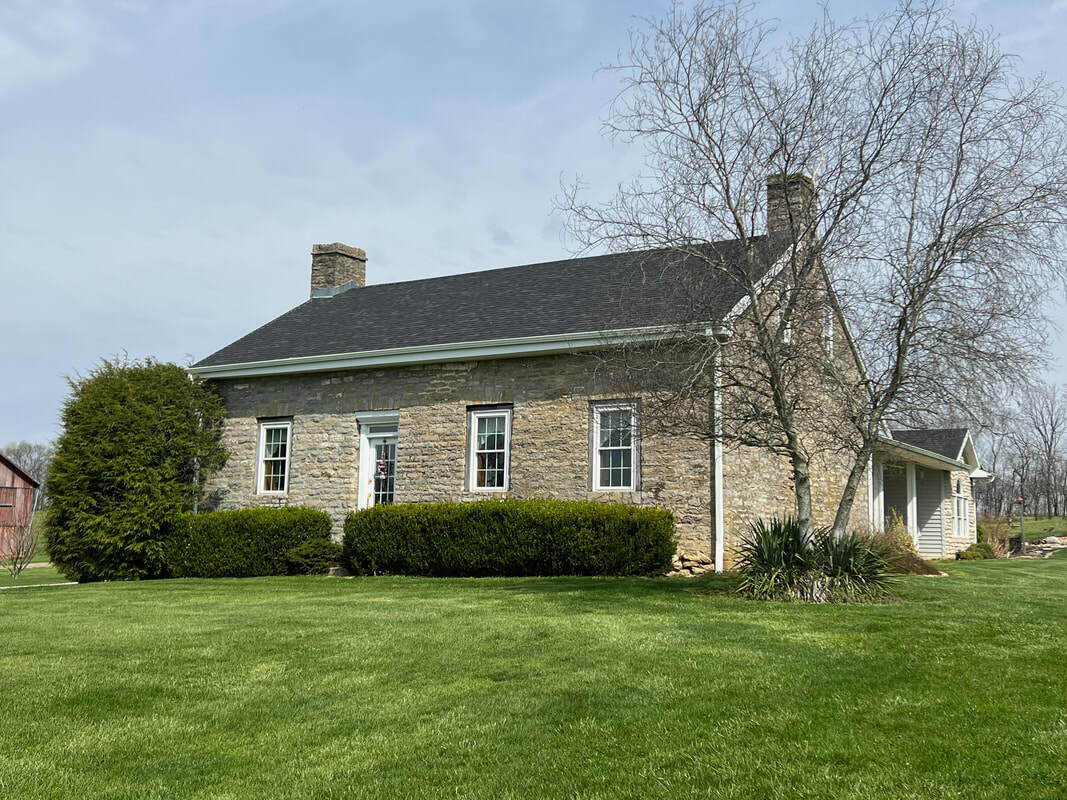
    The home Col. John Stephenson in Harrison County, Kentucky. A date on the attic timbers says either 1793 or 1798. The house had fallen into disrepair by the time Charles Wilson Case bought the farm it sits on in  the 1920s. It was used for many years as a barn. Case's granddaughter Cathy Case Muntz inherited this part of the farm, but gave the house to her sister Reba Case Fuller so she could restore it, which she and her husband Donny did in 1996 and 1997. Much of the interior is still original, despite the house's history.
    Picture
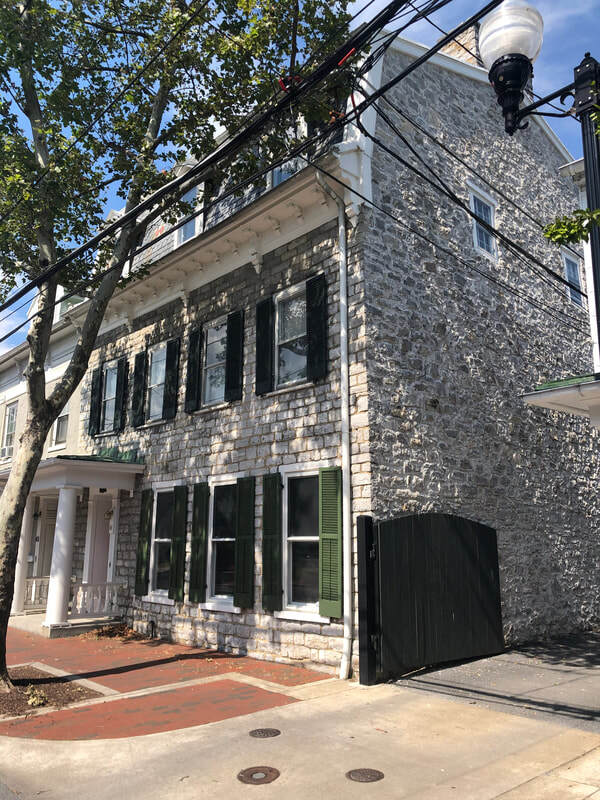
    The altered home of Chaplain Christian Streit still stands in Winchester. Streit was a childhood friend of Peter Muhlenberg and also trained for the ministry with him. After the war, Streit settled in Winchester and served as pastor of the town's Lutheran congregation. The structure's 19th century appearance is the result of an expansion of the attic/half story. Though hard to discern in the photograph, the original roof line can be seen in the stonework of the side wall.
  • Published on

    Root Hog or Die!

    Picture
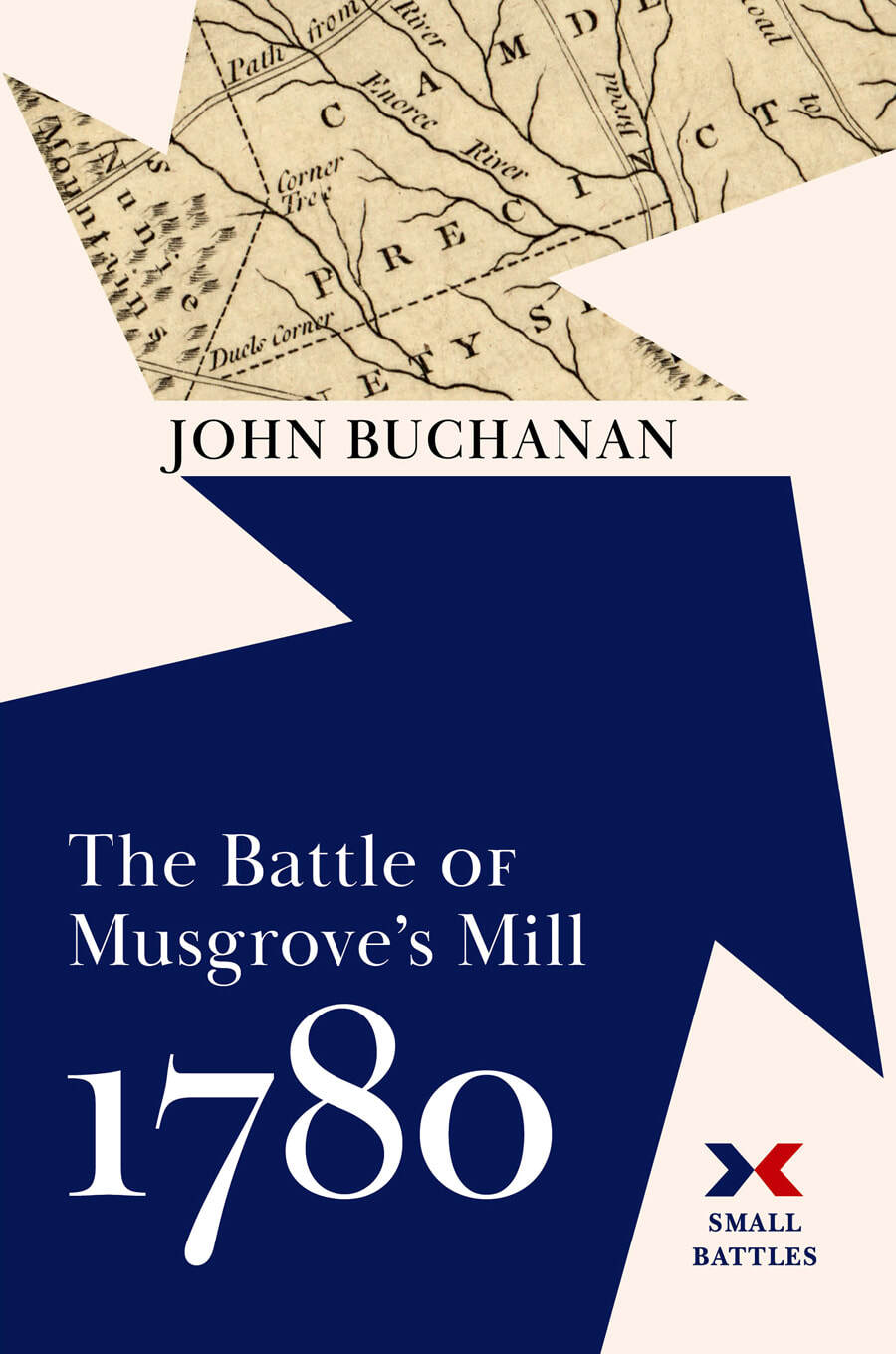
    The Battle of Musgrove's Mill, 1780
    John Buchanan (Westholme, 2022)
    British victory in the Revolution required one thing above all: the ability of American Loyalists to retake and hold the civil and military functions of government. Then as now, occupying armies are expensive and cannot stay forever. In this light, a battle between Tories and Patriots involving no Redcoats, Hessians, or even Continentals, towers in importance — not because of casualty counts or territory gained or lost, but as a test of the basic requirement for ultimate British success. By 1780, the British had basically given up on holding the North. With a negotiated settlement increasingly likely, what mattered now was demonstrating civil and military control of the southern colonies. The British knew that holding two or three coastal cities wasn’t going to cut it. They had to control the backcountry.
    Though still insufficiently covered in classrooms, the Battle of Kings Mountain is recognized as the key event in the demonstration of popular southern refusal to submit to Loyalist rule. Even less well-remembered is the smaller Battle of Musgrove’s Mill, without which there may have been no Kings Mountain. It was a little encounter in which just 200 Patriot militiamen faced off against 264 Loyalist regulars and militia. Though small, it sent a strong signal that backcountry Americans simply would not be ruled any longer by a foreign king.

    Giving such small battles their due is the purpose of Westholme Publishing’s “Small Battles” series. The Battle of Musgrove’s Mill, 1780 comes from the pen of John Buchanan, the undisputed dean of southern Revolutionary War history. Now in his 90s, Buchanan writes as well as ever. In fewer than a hundred pages, he puts the story in context; explains the British, Tory, Indian, and Patriot perspectives; tells us about the key commanders on both sides; narrates the battle; and tells us why it matters. That is a lot to put into eighty-eight pages of text, but he has done it masterfully.

    More from The 8th Virginia Regiment

  • Published on

    A Little Help for Lt. Jacob Parrot

    Picture

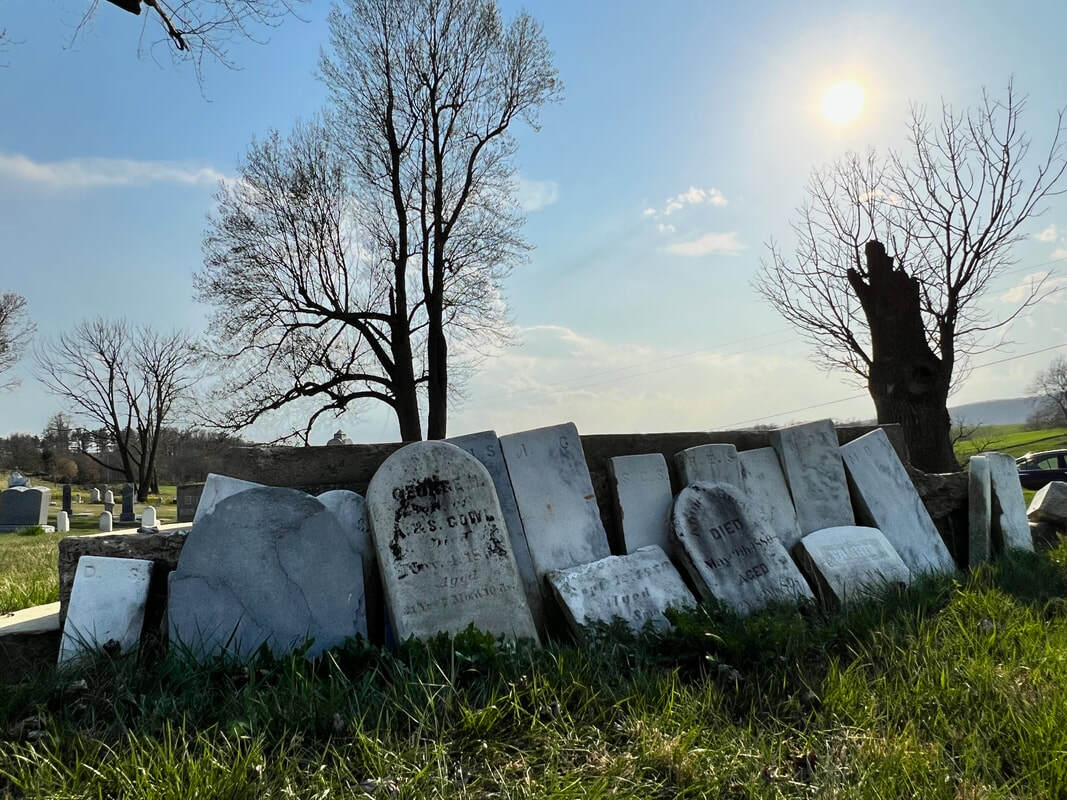
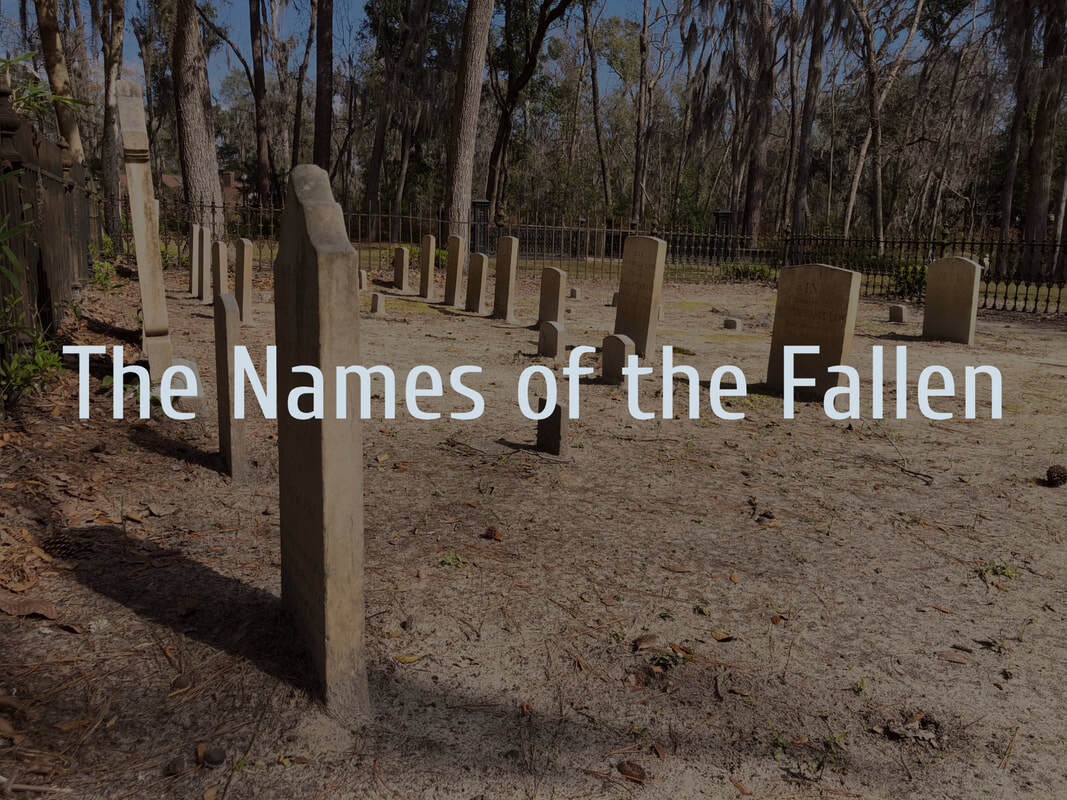
    Fallen gravestones in a Rockingham County cemetery.

    ​General Washington approved several judgements of a court martial at Morristown, New Jersey on May 7, 1777. Among the orders: Lt. Jacob Parrot of the 8th Virginia was “to be discharged from the service, and his pay stop’d from the time he left his detachment, until he did duty in his regiment again.” In modern terms, he had been AWOL and was fired for it. Today his broken gravestone sits off to the side of a Rockingham County, Virginia cemetery in a collection of about fifteen stones that have also succumbed to age.
    The Parrot family were, according to genealogies, among the earliest German-speaking settlers of the Shenandoah Valley in 1734. They are believed to have been Swiss, which would make Jacob and his brothers Joseph and George three of several Swiss-descended soldiers in the 8th Virginia, alongside Chaplain Christian Streit, Lt. Jacob Rinker, and private soldier Joachim Fetzer. The name was originally spelled "Parett" or possibly "Barrett."
    ​Jacob’s first Revolutionary service was in the Dunmore Independent Company of volunteers in 1775. In the period before open war, Virginia’s leaders were not yet ready to raise regular troops or engage the militia against the Crown. County committees of safety, however, were encouraged to organize volunteer companies to support the committees’ work and to enforce the Articles of Association. Dunmore County is now Shenandoah County and parts of Page and Warren counties. The Dunmore Independents were called out in April of 1775 to respond to Gov. Lord Dunmore’s seizure of gunpowder from the magazine in Williamsburg, but returned home when word was received of a peaceful resolution.

    ​When the 8th Virginia was formed early in 1776, Jacob earned a commission as an ensign in Jonathan Clark’s Company. His brother Joseph signed on as a sergeant. George Parrot enlisted as a private soldier. They traveled to Suffolk, Virginia where they countered efforts by slaves, servants, and Tories to aid and reenforce Lord Dunmore ‘floating city’ of soldiers and Tory refugees in Hampton Roads. They were then taken south to oppose the British attack on Sullivan’s Island and then a futile effort to attack St. Augustine, Florida. Malaria took many lives and resulted in the scattering of the 8th Virginia’s men as large numbers of sick men were left behind in various places. The survivors hobbled back to Virginia in the winter, marched to Philadelphia for smallpox inoculations, and then reunited in New Jersey in April and May.
    Picture

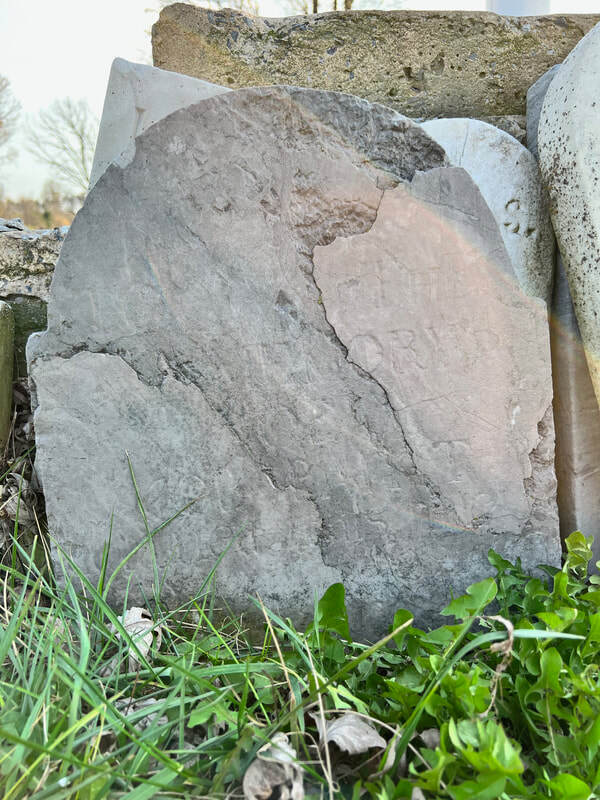
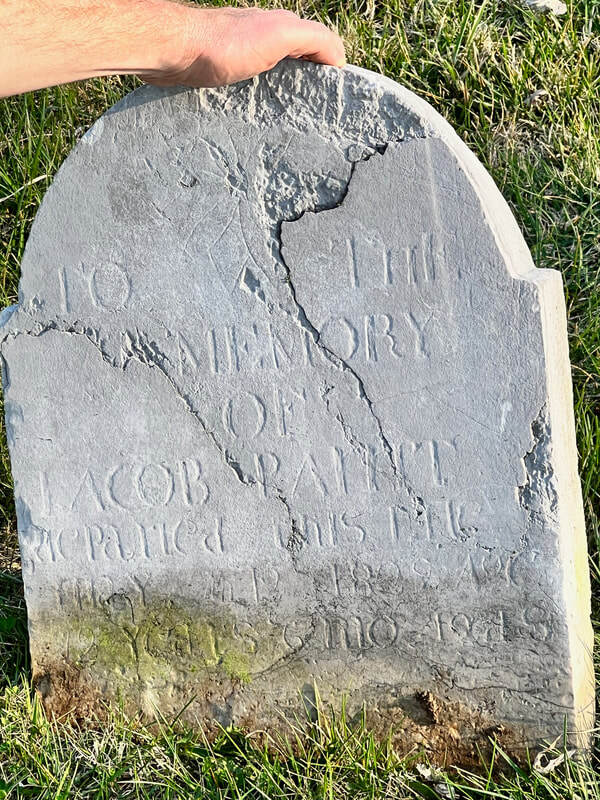
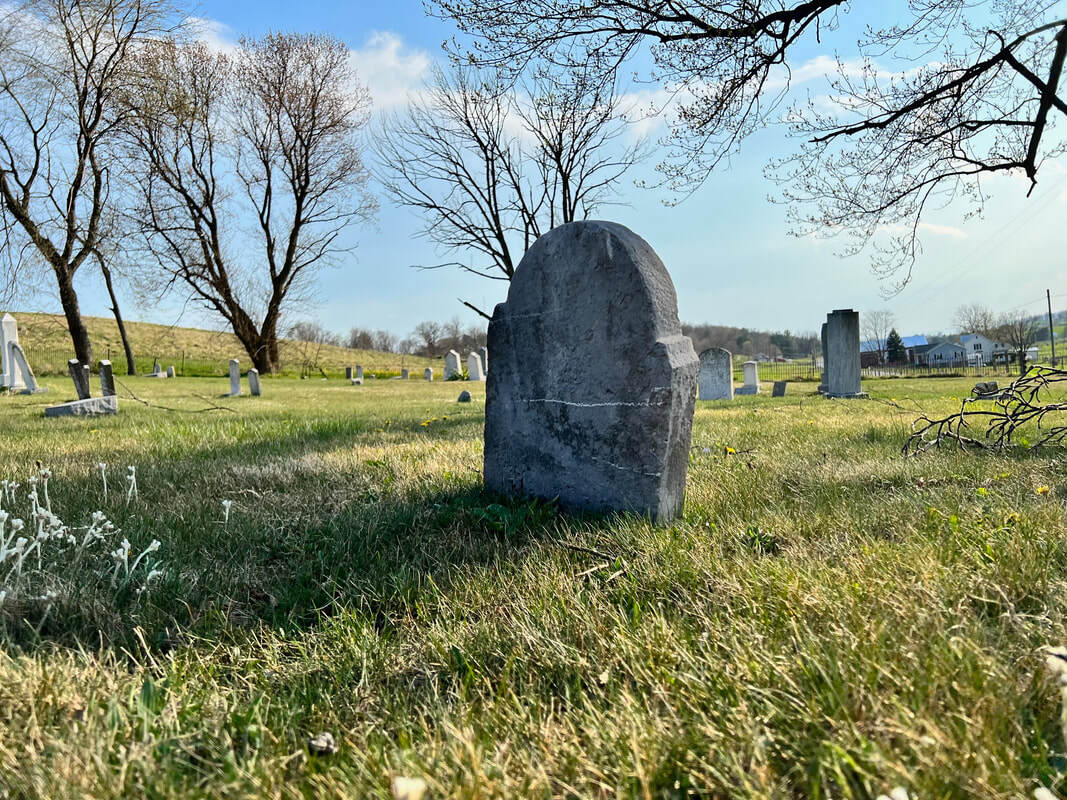
    The grave of Lt. Jacob Parrot has a broke base and has been removed from the ground. The 200-year-old marker appears to have been made by an amateur craftsman and is now barely legible.

    What Lieutenant Parrot did when he "left his detachment" is not clear, though the term "detachment" hints that it happened before the regiment was united in the spring of 1777. A fair guess is that he went home sick from the south without permission. After the ignominious end to his military service, he returned to the Shenandoah Valley and remained there until his death in 1829. He is buried next to his wife in a small cemetery northwest of Harrisonburg, several miles south of his old home in Shenandoah County. Though the stones match, it should be noted that one genealogy states that Jacob was never married.
    Picture

    Angled into the light of a low sun, the inscription on Parrot's headstone is legible.

    The very first Civil War Medal of Honor recipient was Jacob's namesake and great-great nephew. The later Jacob Parrott (1843-1908) was the grandson of John Parrot, an elder brother of the 8th Virginia veteran. He enlisted as a private in the Union Army from Ohio in 1861 and volunteered to participate in the Great Locomotive Chase of 1862. He was captured but exchanged and awarded the Medal of Honor by Secretary of War Edwin Stanton on March 25, 1863. He was taken to meet President Abraham Lincoln and promoted from private to lieutenant. His exploits were the basis of Buster Keaton's most famous film, "The General," which is named for the train.
    Pat Kelly lives on the east side of the Blue Ridge in Albemarle County, about thirty miles south of Thomas Jefferson’s Monticello and more than an hour southeast of Jacob Parrot’s resting place. He descends from Jacob’s brother John, making him a 7th great-nephew. He grew up in East Tennessee (where his ancestor founded Parrottsville), but moved to Virginia in 1978 when he retired from the Navy. He has several Revolutionary War ancestors and has been researching Henry to see if he also fought in the war. Henry is listed in the Capt. John Tipton's company of  activated Dunmore County Militia during Lord Dunmore’s War (1774), but he was not in the 8th Virginia and further service has not yet been demonstrated.
    Pat traveled up to Singer’s Glen to look for Jacob’s grave and to see if he might find Henry’s there too. Neither could be found. Henry may or may not be buried there, but Jacob is definitely there and the absence of his marker was alarming. Of the more than 900 men who served at any time in the 8th Virginia, only 53 have identifiable marked graves. Of those, only twelve to fifteen still have their original headstones. Twelve or fifteen of 900 is a tiny fraction, but Jacob’s can be narrowed down to a category of just two. His and Capt. John Stephenson’s headstones both appear to be “home made” or "primitive" stones. A professionally-cut and engraved gravestone was beyond the economic reach of most veterans' families when they died and the majority of 8th Virginia men may have just had simple wooden crosses or planks to mark the spots where they were lowered into the ground. Though a few were given elegant and expensive markers, an unknown number were likely memorialized with hand-etched or scratched markers of varying quality. The marker put on Jacob Parrot’s grave appears to be a higher-end example of such a marker. Its disappearance would have been a terrible thing.
    Picture

    Jacob Parrot (1843-1908) was the first Civil War-era recipient of the Medal of Honor.

    Fortunately, a search of the cemetery found his marker leaning with more than a dozen others against a concrete riser off to the side of the cemetery and not visible from the other graves. It is severely eroded, but its inscription is intact. It is broken at its base and could not be placed back in the ground in its current state. The stone for Jacob’s wife, Rachel, is still in the ground and is of identical design.
     
    Though intact, Jacob’s and Rachel’s inscriptions are too eroded to be easily legible. Only a few letters can be made out in photographs taken of them in 2013. Pouring water on Jacob’s stone made it only slightly more legible. The full inscription therefore seemed to be lost before a trick of nature revealed the full wording. Very carefully turning the stone to obliquely face the light of the late afternoon sun illuminated the edges of the letters and brought them back to almost full visibility.  It reads
    TO THE
    MEMORY
    OF
    JACOB PArrIT
    Departed this Life
    May th[e?] 12 1829 Age[d?]
    [7?]2 Years 6 mo 19 d[ays?]
    The letters are carefully and somewhat formally executed, the odd mix of capital letters, the variant spelling of "Parrit," the small capital “H” in the second word, and the off-center placement of the fourth and fifth lines indicate that the marker was not made by a professional stone carver. If anything, this makes the memorial even more valuable as a relic of Jacob Parrot’s life. Someone who dearly loved him and his wife appears to have worked the stones to honor them. What at first look like scratches near the top of Jacob’s marker seem on closer inspection to be a decoration of some kind, perhaps a flower.
    Yet the stone is broken and removed from his actual grave. I made several recommendations for marking Revolutionary graves in a recent essay. Because they are free, almost all Revolutionary marker replacements are now of the modern, Arlington-style type issued by the Department of Veterans Affairs. I argued that original markers are in most cases the only tangible connection we have with the warriors in the ground, and should be left in place with new markers next to them. 8th Virginia veteran James Kay’s original marker, broken the same way Parrot’s is, was placed flat in the ground next to a new marker earlier this spring. I also argued that the pre-World War I type should be used if a government marker is to be acquired.
    Picture

    The grave of Rachel Parrot remains firmly placed in the ground.

    In Parrot’s case, it may be possible to craft a facsimile of the original stone. Then he and Rachel could continue to have matching stones as they have for two centuries. A repaired original could be reset upright at the correct angle to catch the rays of the late-day sun. Or it could be taken to the Harrisonburg-Rockingham Historical Society’s museum. At all costs, it should not disappear into someone’s garage.

    More from The 8th Virginia Regiment

  • Published on

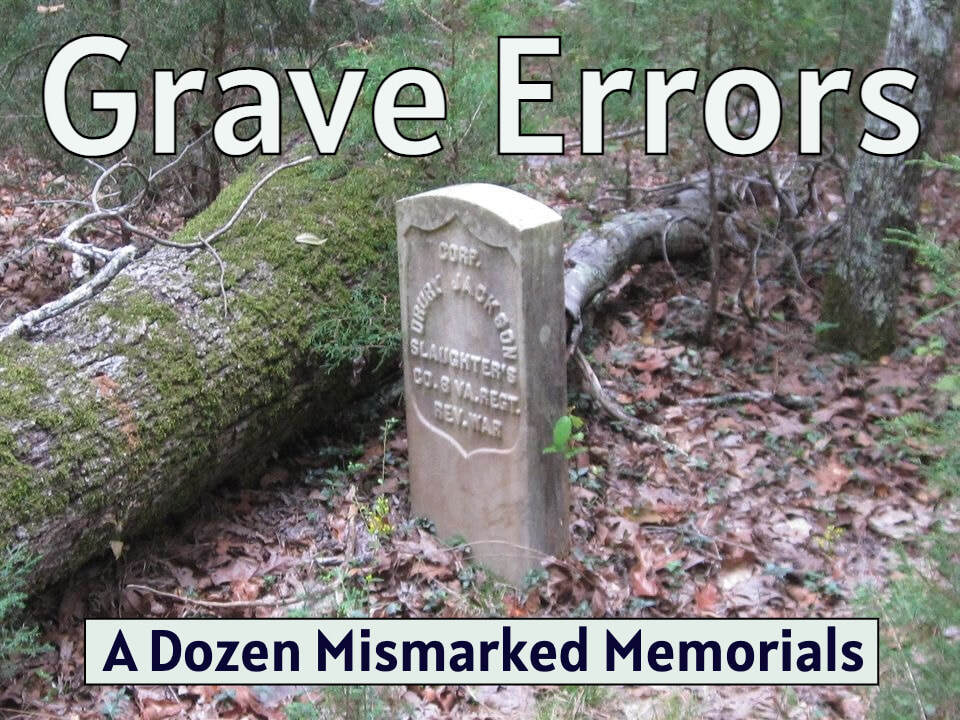
    Grave Errors: Erroneous Burial Markings

    Picture

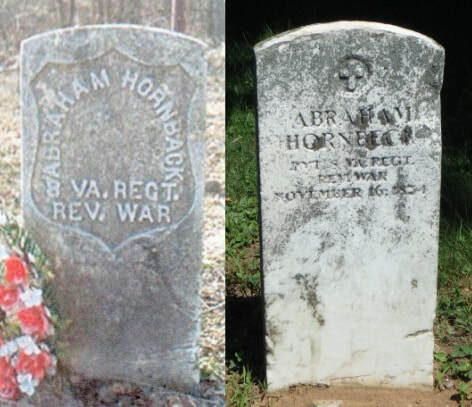
    Abraham Hornback was a marksman from Hampshire County picked from the 8th Virginia to serve in Morgan's Rifles. Gravestones have been installed for him in Indiana and Illinois, one of which is obviously in error. He isn't the only one.

    Of the roughly nine hundred men who served at some point in the 8th Virginia Regiment in the Revolutionary War, only fifty-two have identified graves. Several of them are marked with wrong information that needs to be corrected. In some cases, the information is dramatically wrong. Sadly, this review of fifty-two grave markers from just one regiment may indicate a significant amount of bad information carved into stone in cemeteries across the eastern half of the United States.

    Leonard Cooper had one leg and he didn’t like to tell people why. When he applied for a veteran’s pension in 1818, he more than bent the truth in saying that he was in “a skirmish” at Paramus Meeting House, New Jersey where he “was wounded and lost his leg.” The truth? He lost his leg in a duel with another officer at Pompton Plains in October 1779. 
    Cooper was the lieutenant commandant, or “captain lieutenant,” of Col. John Neville’s company of the 4th Virginia Regiment. This was a new rank for the Continental Army modeled on British practice that resulted from a cost-saving reduction in the number of officers. As the regiment’s senior lieutenant, Cooper led a company nominally under the direct command of the colonel. Perhaps Abraham Kirkpatrick, the man who shot him, thought Cooper was putting on airs.

    Whatever his reason, Kirkpatrick was clearly the aggressor. He attacked Cooper with a stick. Cooper apparently had a more peaceful temperament and showed no “disposition to demand satisfaction.” The era’s code of honor, however, required him to make the challenge. His peers could not abide Cooper’s reluctance to stand up for himself and told him that “unless he did, he must leave the Regiment, as they were Determined he should not rank as an Officer.” Cooper reluctantly complied. He and Kirkpatrick faced off with pistols and the hapless lieutenant took a ball of lead to his leg. The limb was amputated and he was transferred to the Corps of Invalids. He was one of the very last men discharged from the army at the end of the war.

    More from The 8th Virginia Regiment

  • Published on

    What Are Unalienable Rights?

    Picture
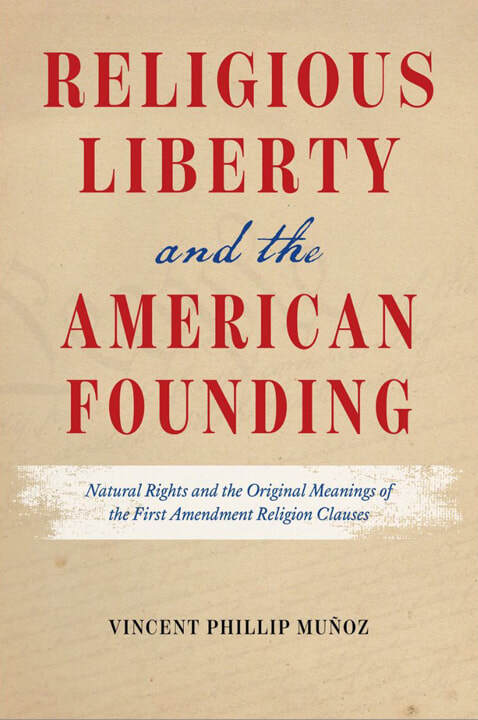
    Religious Liberty and the American Founding
    Vincent Phillip Muñoz (University of Chicago Press, 2022)
    We are told in the Declaration of Independence that certain rights are “unalienable.” Have you ever wondered what that means? Are other rights “alienable?” Notre Dame’s Professor Vincent Phillip Muñoz, author of Religious Liberty and the American Founding, wants you to ask that question.

    The importance of the First Amendment is universally understood. It is the most-discussed part of the Constitution and the courts have ruled on its meaning many times. 
    Professor Muñoz argues persuasively, however, that scholars, lawyers, and judges have all done a consistently sloppy job of seeking to understand what the founders actually meant by the words they used. So much so, in fact, that the original meaning of the Establishment and Free Expression clauses has effectively been lost. The result is that the text has become an ideological Rorschach test. It can be made to mean almost anything. “The consensus that the Founders’ understanding should serve as a guide has produced neither agreement nor coherence in church-state jurisprudence,” Dr. Muñoz writes. “Indeed, it has produced the opposite; it seems that almost any and every church-state judicial position can invoke the Founders’ support.

    ​Many readers will be surprised to hear that the Founders themselves are largely to blame for this. The language of the First Amendment itself (“Congress shall make no law respecting an establishment of religion, or prohibiting the free exercise thereof”) is not very precise. The reason for this is that “Many, if not most, of the individuals who drafted the First Amendment did not think it was necessary.”[2] Establishment was a state issue and the Federal constitution already banned religious tests in Article VI.[3] It was the Anti-Federalists who insisted on the Bill of Rights, but they were in the minority in the 1st Congress.

    More from The 8th Virginia Regiment

  • Published on

    The Stamp Act and Captain Berry

    Picture

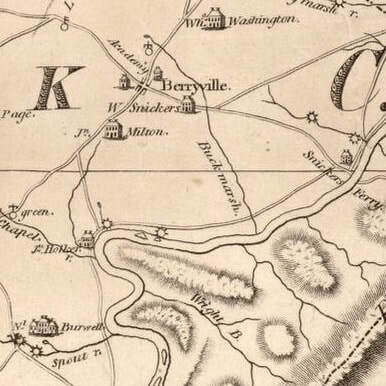
    An imprecise 19th century map shows Berryville and the Shenandoah River. Buck Marsh Creek ran through Thomas Berry's property.

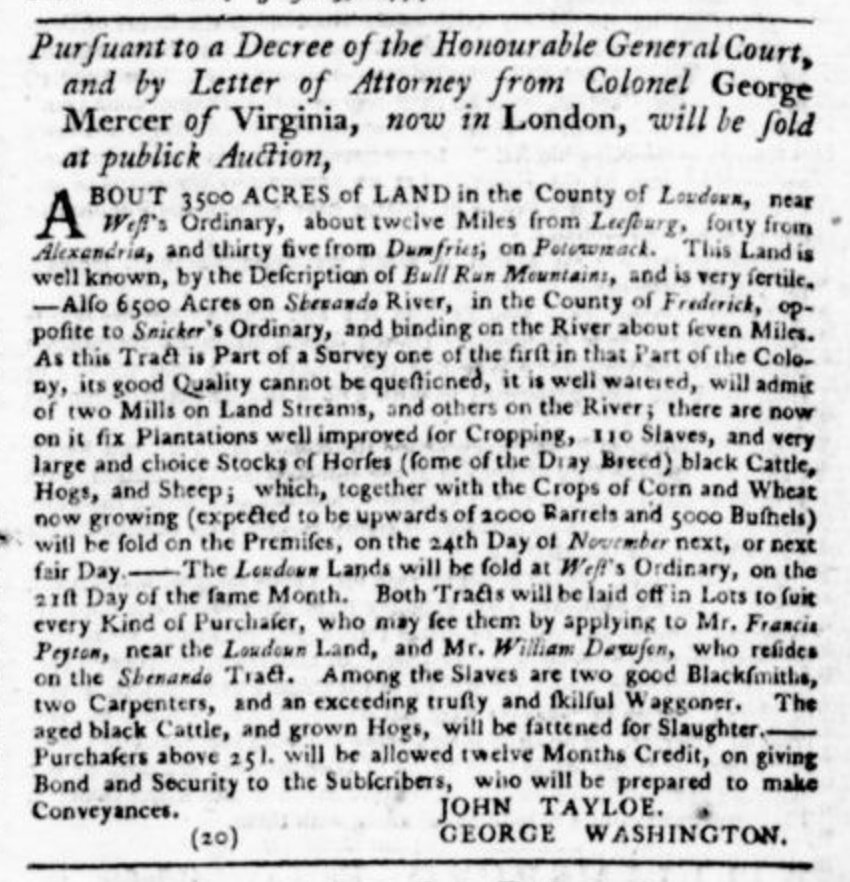
    ​When future captain Thomas Berry bid on two lots of Shenandoah Valley land in 1774, it was the end of a sad story that had begun with the Stamp Act a decade before. The seller, George Mercer, had been one of Virginia’s leading citizens. Now he was bankrupt and living in exile.
     
    Mercer had served in important civil and military positions, often with George Washington. He was one of Washington’s lieutenants at Fort Necessity, where he was wounded, and commanded the short-lived 2nd Virginia Regiment in the French and Indian War. He was with Washington in the Forbes expedition to take Fort Du Quesne in 1758. In 1761 he and Washington successfully ran together for Frederick County’s two seats in the House of Burgesses.
    At the peak of his career, Mercer was selected by the Ohio Company of land speculators to represent their interests in London. The hated 1765 Stamp Act was enacted by Parliament while he was traveling. Not fully aware of sentiments at home, he accepted an appointment as Stamp Master for Virginia. He was overtaken by a mob and forced to resign when he returned to Virginia. Though the cheering crowd carried him out of the capitol in Williamsburg in celebration, Mercer soon left the colony for good.
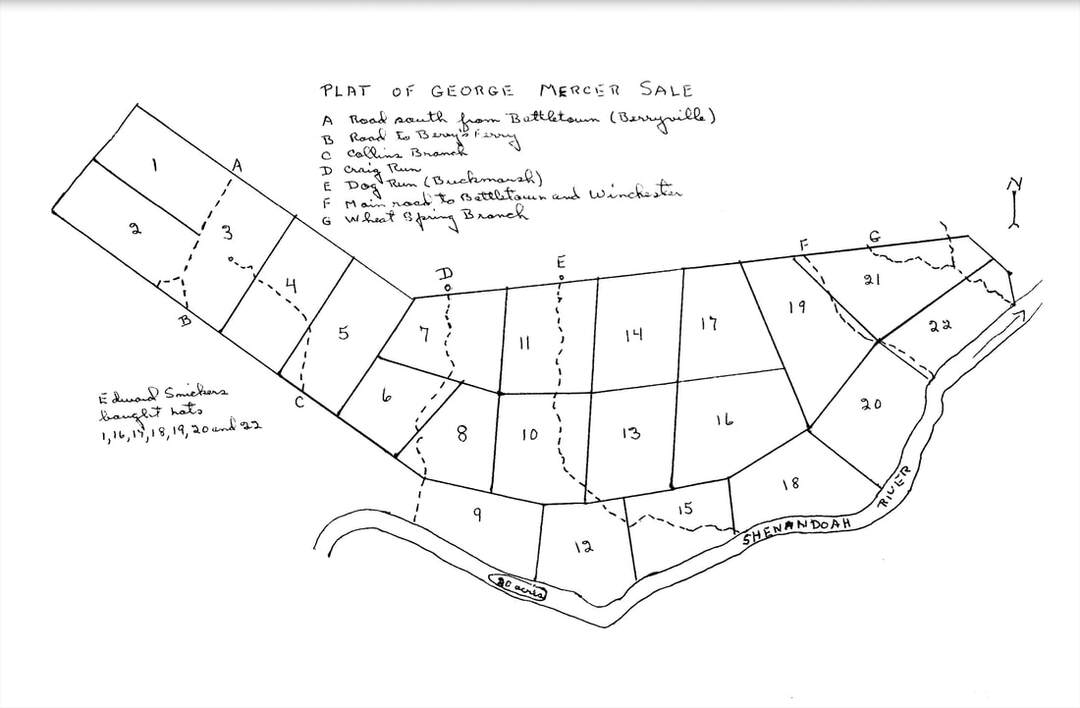
    The financial consequences of his exile eventually resulted in his mortgaging and then remortgaging his properties until he was ruined. He wrote to Washington, his cousin George Mason, and John Tayloe asking them to oversee the sale of his properties for him. The task fell to Washington. A large tract in what is now Clarke County was divided into lots by Francis Peyton and auctioned by Washington in 1774. Benjamin and Thomas Berry were among the bidders. Benjamin, who had more resources, acquired some prime riverfront land. Thomas acquired an inland lot but made up for it with the addition of a 20-acre island lot.
    Picture

    The auction notice in Purdie & Dixon's Virginia Gazette.

    ​Less than two years later, the Frederick Committee of Safety chose Thomas to lead a new company of Provincial soldiers, which was then assigned to the 8th Virginia Regiment. He continued to lead his men until their enlistments expired at Valley Forge in April of 1778 and then returned home to lead what appears to have been a quiet life. He died in 1818.
    Picture

    A sketch of the George Mercer plat made by Ingrid Jewell Jones in 1974 based on county records. Thomas Berry purchased lot 10 and the 20 acre island in the river. (Clarke County Historical Assn.)

    Picture

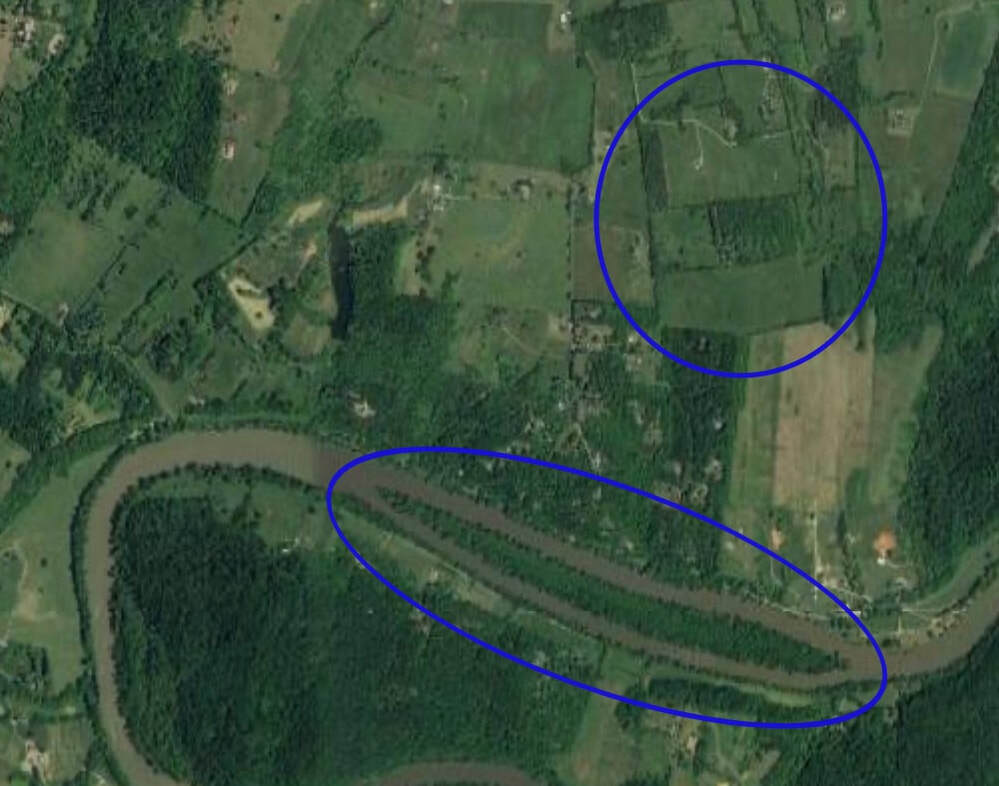
    A satellite image shows the clear outline of lot 10. Note especially it's V-shaped bottom. Berry's island appears to have grown considerably over 250 years.

    Benjamin, the older brother, was the founder of Berryville—a town just north and west of the old Mercer property. Benjamin is better remembered because of his namesake town, but Thomas’s military service deserves to be remembered as well.

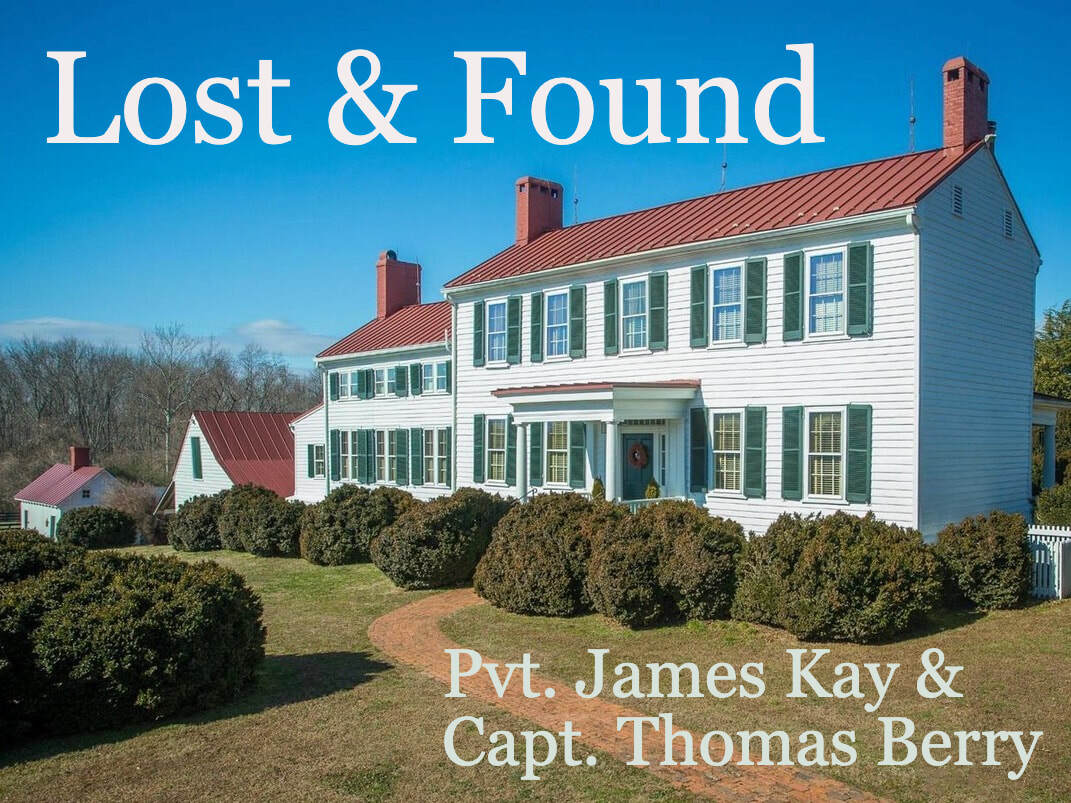
    Read More: "Lost & Found: James Kay & Thomas Berry"

    More from The 8th Virginia Regiment